Table of Contents
I. The MERS chimera that was actually built in pre-pandemic Wuhan
Start with the strongest single fact in this article, because it organises everything else.
In 2024-2025, Steven E. Massey (University of Puerto Rico, Rio Piedras) and colleagues reverse-discovered a MERS-related coronavirus chimera, designated HKU4r-HZAU-2020, in pre-pandemic rice sequencing datasets deposited by a Wuhan-area research group. The chimera had been built before the pandemic. Its creators did not announce it. It was found later, in their own data, by bioinformatic work.
The construct carries:
- A MERS spike with an inserted furin cleavage site (PRSVR motif) at the S1/S2 boundary.
- A human endothelial cell protease site (AFNH).
- A construct method matching Shi Zhengli's pBAC-CMV infectious clone system (Zeng et al. 2016).
- A funding trail through NIAID R01AI110964, "Understanding the Risk of Bat Coronavirus Emergence" - Peter Daszak (PI), Zhengli Shi (Co-PI).
This is not a proposal. DEFUSE was a proposal. This is a construct that was built. Furin cleavage site insertion was technically operational in pre-pandemic Wuhan, under the same NIAID grant that paid for the bat-coronavirus surveillance work, by the same collaboration that wrote the DEFUSE proposal.
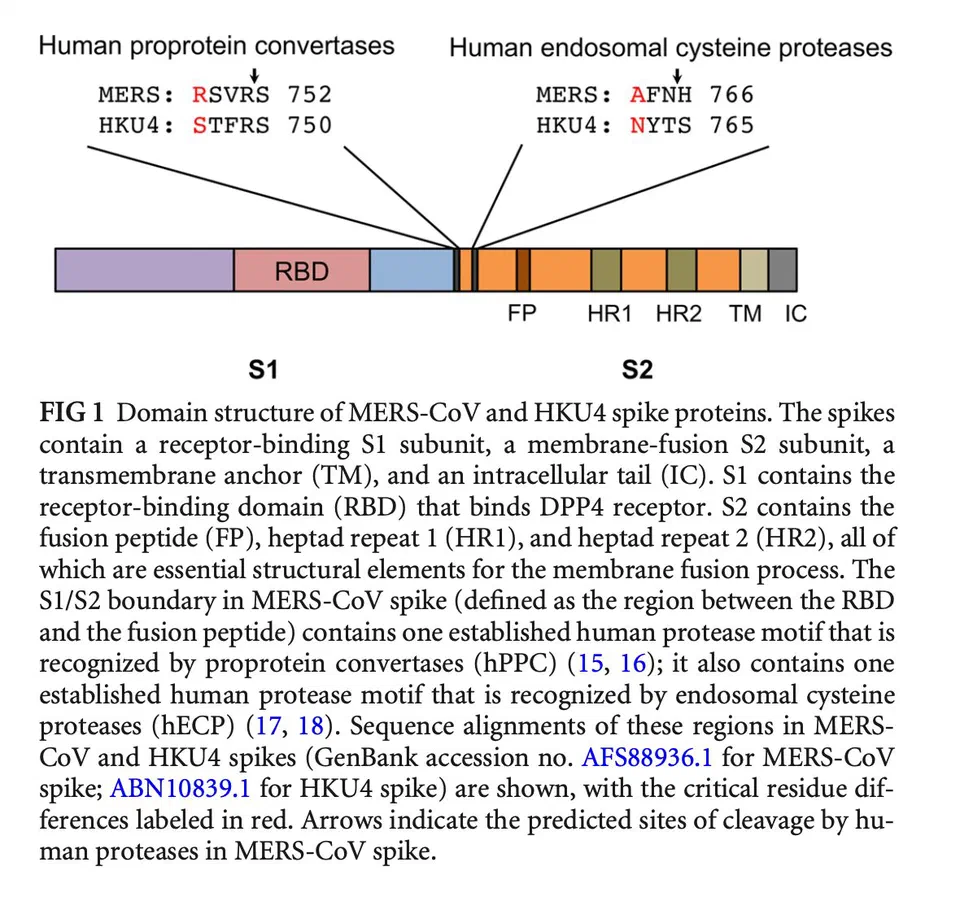
Figure 1: MERS-CoV spike with engineered furin cleavage site (PRSVR) and human endothelial cell protease site (AFNH). Source: Massey et al., J Bioinformatics Syst Biol (2024); Steven E. Massey Zenodo preprint (13 Dec 2025).
This is the spine of the lab-origin case. The rest of this article is the framework that connects it to the mRNA products and to the regulatory argument.
II. What this article argues
Three claims, stated at the weight the evidence will bear.
1. A laboratory origin for SARS-CoV-2 is defensible. The documentary evidence is DEFUSE (2018): Peter Daszak (EcoHealth Alliance), Zhengli Shi (Wuhan Institute of Virology), and Ralph Baric (UNC) submitted a proposal to DARPA that explicitly specified inserting an FCS at the S1/S2 boundary of a sarbecovirus spike. DARPA rejected it. DRASTIC - a decentralised, independent research collective that formed in early 2020 to investigate the pandemic's origin - obtained and published the proposal in 2021. The structural evidence is that the SARS-CoV-2 FCS at the S1/S2 boundary is absent from every other sampled sarbecovirus. The operational evidence is the MERS chimera in Section I: the same funding line, the same collaboration, actually built an FCS into a coronavirus spike in pre-pandemic Wuhan. Germany's Federal Intelligence Service (BND) assessed lab-origin probability at 80-95% in March 2025 under Operation Saaremaa. HYPOTHESIS + SR · MODERATE.
2. The mRNA products are genetically delivered therapeutics, not classical vaccines. They encode the spike protein inside the recipient's cells. Dose, duration, and production site per recipient are unknown and were not characterised before rollout. The CDC changed the definition of "vaccine" in September 2021 to accommodate products that do not prevent infection or transmission. The regulatory classification argument - Pinsolle's "therapia means care" framework - is laid out in Section V. ESTABLISHED · HIGH for the structural mechanism; HYPOTHESIS · MODERATE for the regulatory argument.
3. Several mechanisms of harm are biologically plausible. Some have small-cohort clinical support. Population-scale harm is contested and in most cases unsettled. The plausibility case is documented in Sections VI through VIII. The studies that would resolve it - large, well-controlled, long-follow-up vaccinated-versus-unvaccinated cohorts with pre-specified endpoints and independent access to raw data - have largely not been run. Their absence is itself part of the argument. MECHANISTIC · MODERATE for plausibility; HYPOTHESIS · LOW-MODERATE for population-scale harm.
An earlier version of this analysis attached a "combined probability of 10^-36" and per-sequence p-values around 10^-25 to the FCS / R685G observation. Both are statistically invalid and have been retracted; the superseded analyses are recorded in Section IX. The lab-origin argument does not depend on those numbers and is stronger without them.
III. The framework, credited
This article is a write-up of the integrative framework developed and presented by Dr. Typhaine Pinsolle (French physician and researcher; background in medical bacteriology and antibiotic resistance, including Lyme disease work). The framework is set out in her August 2024 CNC presentation "La protéine Spike est-elle une arme biologique ?" (video and accompanying slide deck; link her X thread: https://x.com/PinsolleT). Her specific analytical contributions platformed here:
- The regulatory classification argument. The mRNA products meet the structural definition of gene therapy. Authorising them under a vaccine framework skipped the gene-therapy follow-up obligations. Pinsolle names the missing category therapia - Greek for "care" - for a genetically delivered therapeutic that is neither a classical vaccine nor a conventional drug. Section V.
- The SIRT1 / miR-34a / HMGB1 / RAGE axis as the unifying inflammatory cascade. Spike-induced mitochondrial dysfunction -> NAD+ depletion -> SIRT1 inhibition -> miR-34a up -> HMGB1 release -> RAGE activation -> chronic inflammation. The "double-amyloid effect" (amyloid-beta plus HMGB1 both activating RAGE) is the mechanistic amplifier. Section VIII.
- The dual mTOR pattern. p53-down / mTOR-up in immune cells favours reservoir persistence; p53-down / mTOR-down in post-mitotic cells favours degeneration. The pattern explains Long COVID's clinical diversity without requiring a single mechanism.
- The dose-duration-location framing of the mRNA platform's structural difference from classical vaccines. Section VI.
- The biological-weapons legal framing via Francis Boyle's affidavit and the Biological Weapons Convention. Section X.
- The "impossible precision" timeline argument assembled from early-pandemic scientific outputs. Section IV.
- The DEFUSE / FCS / MERS chimera analysis as it stood before Massey's reverse-discovery. Sections I and IV.
What I have layered on top of Pinsolle's framework: the evidence grading, the counter-evidence section (Albertson, Pfeiffer) engaged critically rather than listed, the superseded-analyses record (Section IX), the DEFUSE / DRASTIC distinction sharpened by Massey's reverse-discovery of HKU4r-HZAU-2020, the German BND assessment, and the Mulroney frameshifting paper. Errors and overstatements in earlier versions of this article are mine, not hers.
Other friendly researchers platformed here, credited inline rather than in passing:
- Dr. Steven E. Massey (UPR Rio Piedras). The 2024-2025 reverse-discovery of HKU4r-HZAU-2020 transformed the DEFUSE / FCS argument from a documentary claim (a proposal existed) into a structural claim (an FCS was actually inserted in a coronavirus spike in pre-pandemic Wuhan, by the same funding group). The 2025 BWC-violation paper cited in Section X is also his. His Zenodo archive: https://zenodo.org/records/19699408.
- Dr. Steven Quay (Atossa Therapeutics; Hudson Institute). The co-author with Massey of "The Illusion of Biosafety during SARS-CoV-2 Research" (July 23, 2025, Version 3), which sourced the underlying R685G counts in Section IX. The counts are preserved; the statistical overlay on top was my over-extension and is retracted. Personal site: https://drquay.com. He has testified before the US Senate (June 2024) and House (June 2021) on the lab-origin question.
None of the three has reviewed this article. The framing, the evidence grading, and the retractions are mine.
IV. The lab-origin evidence
The furin cleavage site is unique to SARS-CoV-2 among sampled sarbecoviruses
The SARS-CoV-2 spike carries a polybasic furin cleavage site (PRRAR, within SVAS) at the S1/S2 boundary. Furin and related host proteases cleave there, separating the S1 (receptor-binding) and S2 (fusion) subunits. The site is absent from every other sampled sarbecovirus. ESTABLISHED + PR · HIGH for the presence and uniqueness of the site.
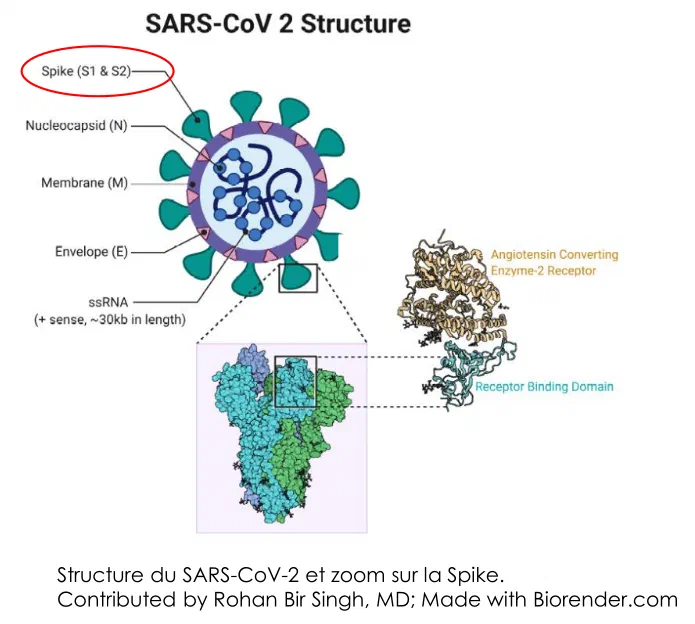
Figure 2: SARS-CoV-2 virion structure with the spike protein highlighted. Source: archived presentation slides.
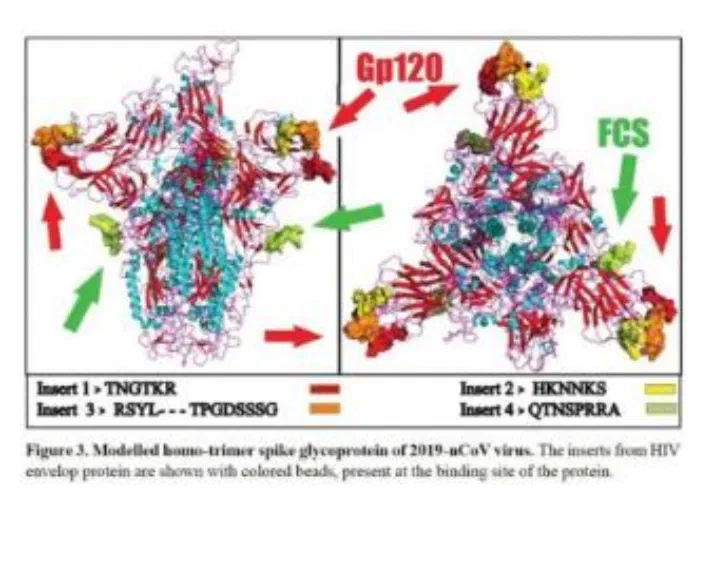
Figure 3: Molecular model of the SARS-CoV-2 spike trimer with the furin cleavage site (green) and the four short insertions first flagged by Pradhan et al. (red). Source: archived presentation slides.
DEFUSE: the documented plan
DEFUSE was a grant proposal submitted to DARPA in 2018 by a team led by Peter Daszak (EcoHealth Alliance) with Zhengli Shi (Wuhan Institute of Virology), Ralph Baric (UNC), and collaborators. DARPA rejected the proposal. A copy was leaked to DRASTIC - a decentralised, independent research collective that formed in early 2020 to investigate the pandemic's origin - and made public in 2021.
The proposal explicitly specified:
- Inserting an FCS at the S1/S2 boundary of a sarbecovirus spike.
- Optimising human ACE2 binding.
- Testing in humanised mice and human airway epithelium (HAE) cultures.
DEFUSE is documentary evidence of intent by the named team. It is not evidence of execution. The same Daszak / Shi NIAID grant (R01AI110964) funded the MERS chimera work in Section I, in which FCS insertion was actually carried out in pre-pandemic Wuhan. The documentary claim (DEFUSE) and the structural claim (the MERS chimera) are now linked by funding line and collaboration.
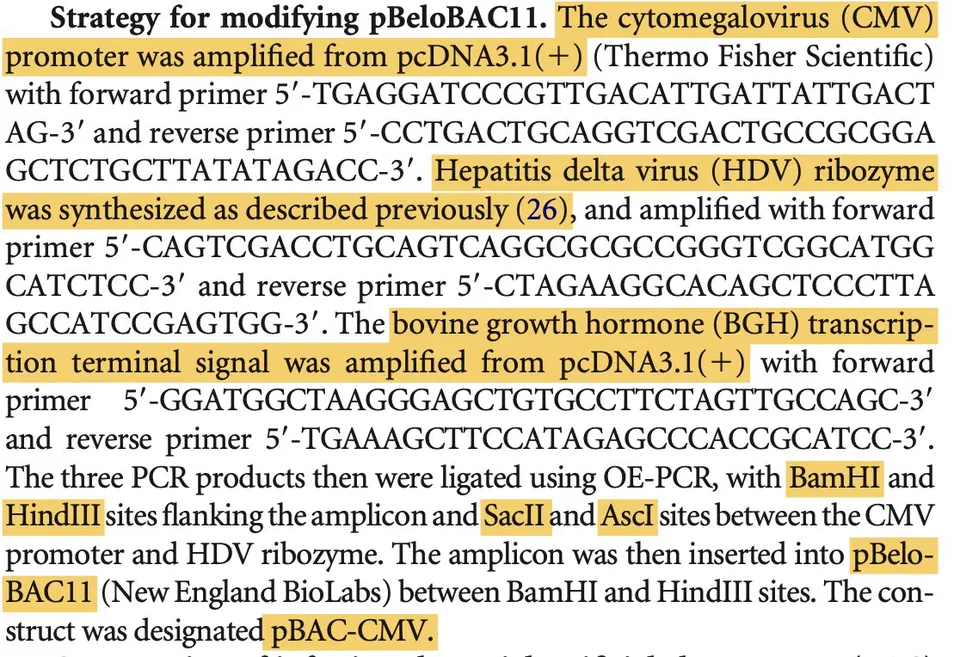
Figure 4: NIAID grant R01AI110964 "Understanding the Risk of Bat Coronavirus Emergence" with Peter Daszak (PI) and Zhengli Shi (Co-PI). Source: Hensel preprint analysis, NIH RePORTER.
The "impossible precision" timeline
A number of early-pandemic scientific outputs happened faster than naive timelines would predict. ACE2 was confirmed as the receptor within days of sequence release. RaTG13 and other close relatives were "found" in freezers within weeks of the origins question being raised. Reagents and pseudovirus systems were ready to go.
Two readings are coherent with the surface facts. The forensic reading is that the speed reflects prior knowledge - the work was already done before the public discovery event. The mainstream reading is that coronavirus research had been ongoing for years, including on SARS-CoV-1 and MERS, so reagents, sequence libraries, and receptor assays already existed; their rapid deployment in January 2020 reflects pre-existing capacity rather than foreknowledge of SARS-CoV-2 specifically.
The forensic reading is strengthened by the Peter Daszak email record showing that EcoHealth / WIV held a large number of unpublished viral sequences that could have been made available earlier. The mainstream reading is strengthened by documented pre-pandemic investment in coronavirus surveillance. HYPOTHESIS + INV for either reading as a standalone argument. The argument is Pinsolle's; the framing here is hers.
The German BND assessment (March 2025)
In March 2025, the Swiss newspaper NZZ reported that Germany's Federal Intelligence Service (BND) had assessed SARS-CoV-2 as having an 80-95% probability of laboratory origin under Operation Saaremaa. The assessment was based on public-domain evidence (including the MERS chimera discovery) and cited safety violations at Wuhan laboratories.
- Initial BND assessment (2020): low probability of lab origin.
- Updated assessment (2025): 80-95% probability.
- Operation Saaremaa reportedly investigated Wuhan lab safety violations.
- The assessment was reportedly withheld from public discussion during the pandemic.
No counterpart Western intelligence agency has published a comparable probability estimate. The underlying BND analysis is not public in full, so independent verification of the 80-95% figure is not possible from open sources. HYPOTHESIS · LOW-MODERATE.
Sources. NZZ (12 Mar 2025); Suddeutsche Zeitung; Zeit; Deutsche Welle; Massey et al. (2024).
Huanan market data and the "multiple introductions" critique
The zoonotic-spillover narrative centres on the Huanan Seafood Wholesale Market. Forensic analysis of the underlying data:
- Over 900 environmental swabs taken at the market in early 2020.
- No complete genome from any potential intermediate host animal has been released.
- Zero SARS-CoV-2 sequences isolated from market animals have been made public.
- Clinical epidemiological data linking early cases to specific market locations is fragmented.
- Raccoon dog mitochondrial DNA was co-located with SARS-CoV-2 genetic material in market swabs. Mitochondrial DNA alone does not prove active infection of the host animal; no raccoon dog tissue with viral isolate has been produced.
The "multiple introductions" claim (Pekar et al. 2022; Worobey et al. 2022) leans on phylogenetic analyses arguing multiple independent SARS-CoV-2 introductions at the market. McCowan (2025, arXiv:2502.20076) argues the framework is mathematically biased toward zoonotic conclusions: the null hypothesis (single source) is formulated so strictly that it is nearly impossible to satisfy even under genuine single-origin scenarios, while the alternative accepts "multiple sources" without requiring evidence that those sources were zoonotic. The lineage A / B split claimed to represent independent market spillovers cannot, on McCowan's analysis, be statistically distinguished from a single introduction with realistic sampling biases.
PR + PP · LOW-MODERATE for the McCowan critique. The critique does not by itself prove lab origin. It removes a quantitative leg from the market-origin case, which is exactly how it should be read: not as proof of the alternative, but as evidence that the market-origin quantitative case is weaker than its presentation suggests.
Sources.
- McCowan A. (2025), arXiv:2502.20076.
- Weissman M. (2024), "Science's Pekar et al. 2022 is wrong", Substack.
The DEFUSE experimental constraint reconstruction
A reverse-engineered reconstruction (originally developed by Charles Rixey, with contributions from other DRASTIC-aligned researchers) argues that the wording of the DEFUSE proposal plus known cell-culture constraints would, if the work had been carried out, have produced an FCS with exactly the features SARS-CoV-2 carries. The reconstruction proposes a chain: QTQTNS progenitor mismatch, ENaC-alpha mimicry (HTVSRL -> SVAS), VERO cell-culture passage forcing the leading proline (P681), HAE culture stabilisation, and multi-dS mutations.
This is an argument from documentary consistency. It is not an experimental record of how SARS-CoV-2's FCS was built. Several of the features it flags overlap with signatures that cell-culture adaptation also produces, so they cannot, on their own, distinguish deliberate engineering from serial passage. HYPOTHESIS + INV · LOW-MODERATE.
The HIV-1 gp120 insertions: a contested observation
A January 2020 bioRxiv preprint by Pradhan et al. identified four short amino-acid insertions in the SARS-CoV-2 spike that are absent from other sarbecoviruses and that have sequence identity to segments of HIV-1 gp120 and Gag. The preprint was withdrawn shortly after posting. Critics (Zhang et al. 2020 and others) argued the inserts sit in variable regions of spike, occur across coronaviruses via convergent evolution, and do not by themselves support an engineering claim.
Subsequent phylogenetic work showed that similar short motifs appear across sarbecoviruses and related coronaviruses. The Pradhan observation remains part of the early scientific record on SARS-CoV-2 spike but is not, on its own, evidence of intentional HIV sequence insertion. MECHANISTIC + PP.
Sources.
- Pradhan et al., bioRxiv (2020), DOI 10.1101/2020.01.30.927871 (withdrawn).
- Perez & Montagnier, Int J Res (2020).
- Fantini et al., Int J Mol Sci (2023) - structural and electrostatic similarities between SARS-CoV-2 spike and HIV-1 gp120.
Variant FCS evolution
- Wuhan strain (2019-2020): PRRAR FCS intact.
- Delta (2021): P681R mutation, which enhances FCS cleavage efficiency (Deng et al., Nature 2021).
- Omicron and later sub-lineages (2021 onward): P681L and P681F mutations occur (around 22% of Omicron sequences), reducing cleavage efficiency.
This is exactly what adaptive evolution produces once a polybasic FCS exists. It does not, by itself, distinguish origin: a natural virus would behave the same way once a polybasic FCS was present. The probative weight in the origin debate attaches to the presence of the FCS (unique among sampled sarbecoviruses) and to DEFUSE documenting the intent to create exactly such a feature, not to the post-hoc evolutionary trajectory.
The Proximal Origin Slack messages (released by Chairman Rand Paul, July 2026)
The single most-cited paper dismissing the lab-origin hypothesis was Andersen et al., "The proximal origin of SARS-CoV-2" (Nature Medicine, 17 March 2020, DOI 10.1038/s41591-020-0820-9). Its four co-authors, Kristian Andersen (Scripps), Edward Holmes (Sydney), Andrew Rambaut (Edinburgh), and Robert Garry (Tulane), ran a private Slack channel across 2020-2023. The channel's full export, 1,123 pages, Bates-numbered SLACK_000216 through SLACK_001337, was released publicly on 21 July 2026 by Chairman Rand Paul under the Senate oversight investigation; every page carries the header "Released by Chairman Rand Paul". The authors have not disputed the messages' authenticity. Source document: slack-drop-pm.pdf (paul.senate.gov). ESTABLISHED · HIGH for the document's existence and authenticity.
The dating is the point. An earlier 2021 release of the same authors' pre-publication messages, in which Andersen described a lab origin as "friggin' likely", was defended on the grounds that those were pre-publication snapshots taken before the authors had properly assessed the evidence. This release contains the same private assessments written weeks, months, and over a year after the paper declared that "we do not believe that any type of laboratory-based scenario is plausible." The "we changed our minds by publication" defence cannot survive post-publication messages in which the same authors say the opposite.
Private probabilities, twelve weeks after publication. On 11 June 2020, Andersen and Holmes swapped odds in the channel after a Zoom call:
🦇 Eddie: 80/20 Kristian: 70/30
Andersen, 11 June 2020, 20:14
90/10. I think.
Holmes, 11 June 2020, 20:34
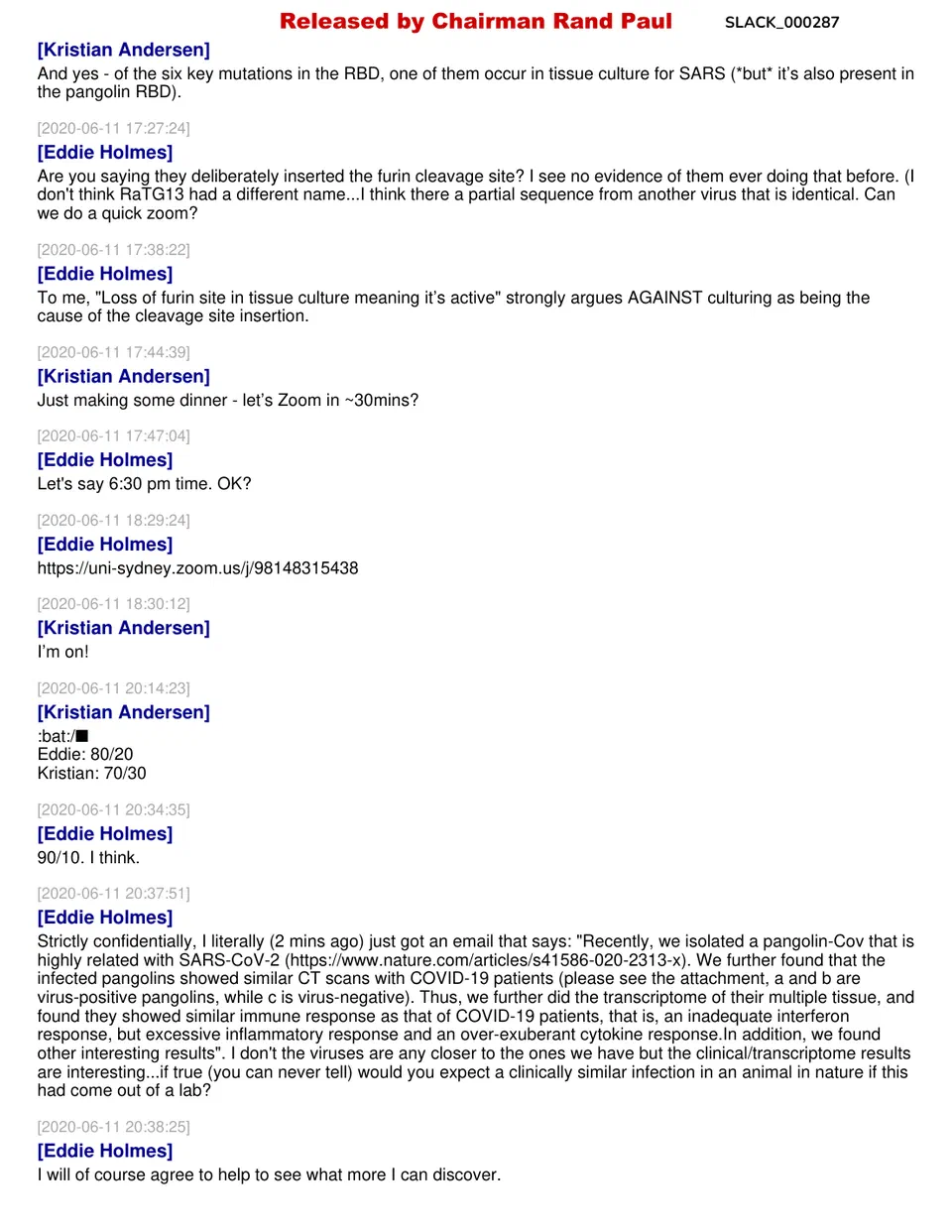
Exhibit A: PDF page 73 of the Rand Paul release. Header "Released by Chairman Rand Paul" visible. The 80/20 and 70/30 exchange is twelve weeks after the Proximal Origin paper declared no laboratory scenario "plausible."
Eighty-twenty and seventy-thirty are not the odds of people who believe a hypothesis has been ruled out. Earlier the same day, Andersen had told the channel he was "moving much more towards the middle (again)" on natural versus lab origin, and that "most scientists I talk to believe there is a likely connection to the lab - people that are themselves doing GOF and culture-type of experiments, they know the risks and don't seem to think that a natural explanation is more likely than lab culture" (11 June 2020, 16:42).
On the WIV work itself, Andersen was explicit: "No, that work is exclusively at WIV AFAIK. Baric's lab is doing (did) gain of function research where they created reverse genetics systems to study the viruses. All of this is done in BSL-3, so much (much!) less risk of exposure. The work in Shi's lab is different - here they are taking bat CoVs and culturing them under BSL-2 in cell lines from different animals" (11 June 2020, 17:07).
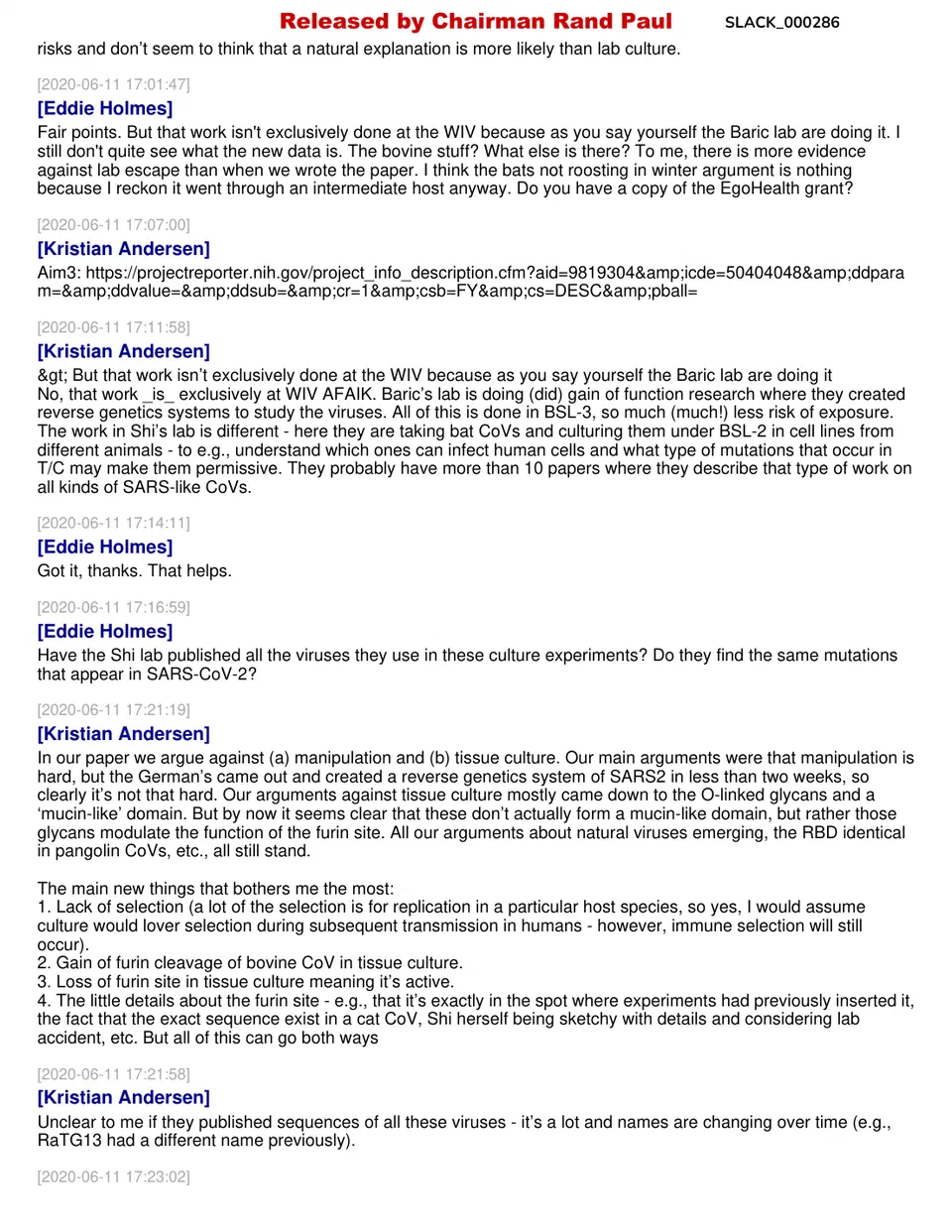
Exhibit B: PDF page 72 of the Rand Paul release. Andersen attributes the SARS-like-CoV culturing work exclusively to WIV and identifies Baric's lab as the US site of related gain-of-function research.
"Less confidence in 'there's no way'." On the furin cleavage site specifically, Andersen wrote the same day:
"The part I'm really struggling with is that at the end of the day, we really don't have any hard evidence one way or the other - and especially given some of the recent evidence, we also can't rule out that somebody actually put it in there. That's obviously not to say that somebody did, but we can't rule it out. Our paper was pretty strong in saying 'there's no way', but I have less confidence in that statement at this stage."
Andersen, 11 June 2020, 14:08
And a few hours earlier: "Gotta say - some smoking(ish) guns starting to appear that I'm not comfortable with... The furin site in SARS2 is exactly the same as it is in some of the HKU1 sequences" (11 June 2020, 13:35).
A telecon instruction not to mention lab escape, acknowledged as followed. On 28 July 2020, Garry described the authors' compliance with that instruction while dismissing an anonymous critic whose email they had speculated (without proof) came from Ralph Baric:
"We clearly ignored - properly so as the email to JC points out - the schooling from the telecon to not mention 'lab escape.'"
Garry, 28 July 2020, 05:10
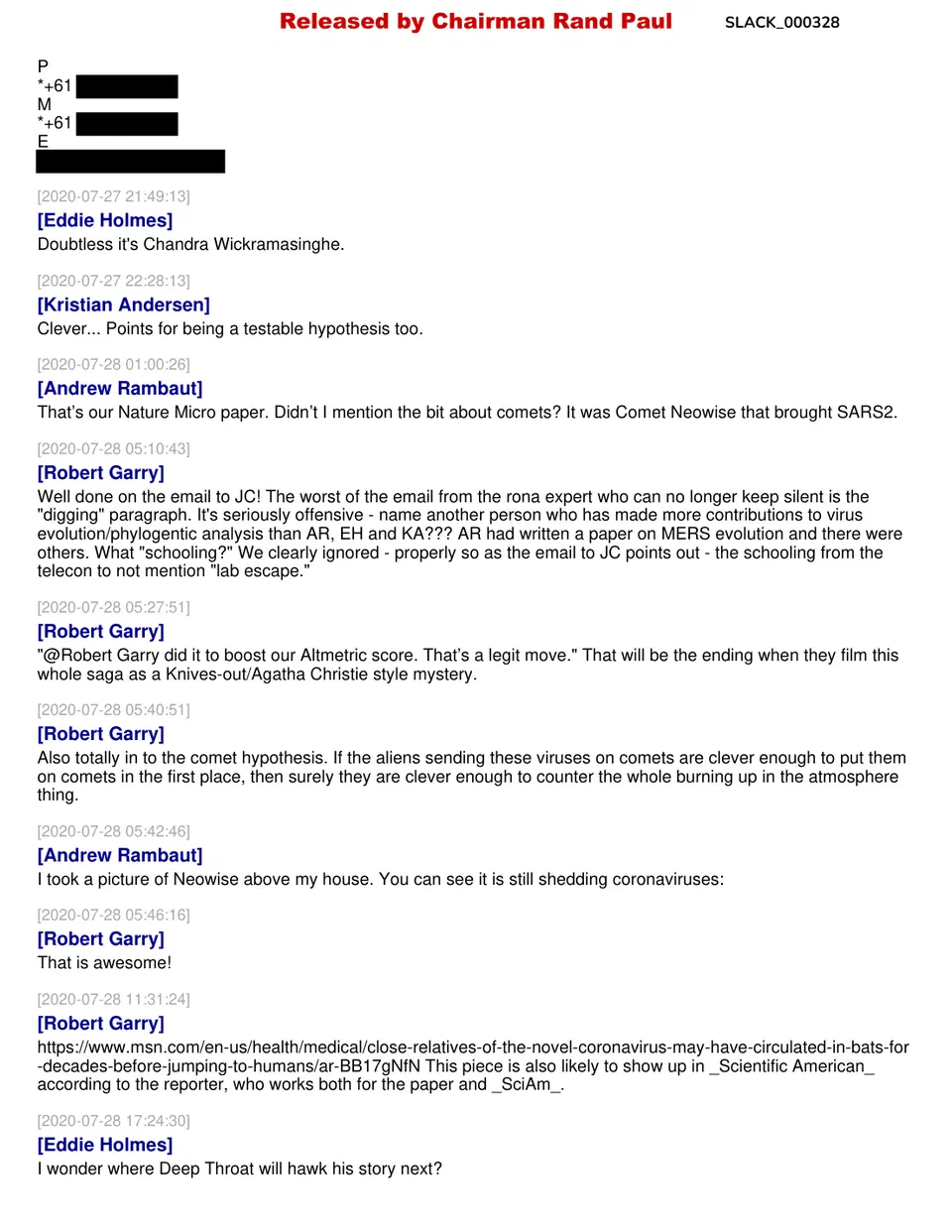
Exhibit C: PDF page 114 of the Rand Paul release. Garry's message is dated 28 July 2020, seven months after the paper's publication, still referencing the instruction not to mention lab escape. The "telecon" reference is consistent with the publicly documented 1 February 2020 Fauci / Farrar / Collins call surfaced via FOIA in 2021, but this Slack message itself does not name the date; the identification is inferential.
Paper-trail management and intelligence-community contact. Two further patterns run through 2021. When the group began coordinating a new analysis of the DEFUSE-era questions, Rambaut wrote: "And stay off email" / "Or carefully curate some emails for the FOI records" (21 September 2021). On the announcement of the Biden intelligence-community 90-day origins review, Andersen wrote: "I'm pretty glad this 'investigation' is handled by the intelligence community... Between us, but the spooks will spend quite a bit of time in sunny San Diego. N'Orleans too?" (29 May 2021). Just over a week later: "I'll have a handler Thursday onwards" (7 June 2021).
Not cherry-picked: the same channel also records genuine defence of natural origin. To pre-empt the obvious rebuttal, the channel is not a catalogue of suppressed lab-origin belief. It also contains extended threads in which the authors vigorously defend natural origin on specific evidentiary points: verifying pangolin RBD data against provenance critiques (Holmes coordinating Sanger sequencing confirmation with Chinese collaborators in June 2020), and dismissing the Yan Report as "total shit" (Holmes, 14 September 2020) with its fraud allegations against RmYN02 and pangolin sequences described as "defamation" that Holmes considered legally actionable. These threads are not in tension with the discrepancy documented above. The authors could, and did, defend natural origin on individual scientific points while privately assigning 20-30% probability to lab origin and admitting they "can't rule out that somebody actually put it in there." Both positions sat side by side in the same channel, in the same weeks. The public paper let only one of them through.
What this establishes and what it does not. The messages establish a documented, month-by-month gap between the published conclusion and the authors' private assessment. They show the authors treating the public framing as a deliberate choice shaped by a telecon steer and by reputational and political considerations, not as a straightforward readout of the evidence as they themselves saw it. They show the authors privately acknowledging that the paper's "no way" framing was stronger than the private evidence warranted.
The messages do not establish that SARS-CoV-2 was laboratory-origin. They do not establish a prosecutable conspiracy. They establish something narrower and easier to prove: the most-cited "scientific consensus" paper on the origins question was written by four people who, in private and for over a year afterwards, did not share the certainty their published prose projected. That bears on how much independent weight the Proximal Origin paper should carry in the origins debate. The answer is: very little on its own. The lab-origin case in this article rests on DEFUSE (this section), the MERS chimera (Section I), the FCS uniqueness, and the BND assessment, not on the Proximal Origin authors' say-so in either direction. HYPOTHESIS + INV · MODERATE for the public/private discrepancy; the underlying origins question stands on the structural and documentary evidence elsewhere in this section.
The Baric transcribed interview (10 April 2026)
On 10 April 2026, Dr. Ralph Baric, the UNC virologist named in DEFUSE as the investigator responsible for the FCS-insertion work and a long-time collaborator of Zhengli Shi, sat for a voluntary transcribed interview with Chairman Rand Paul's Senate Committee staff. The transcript runs 138 pages and was released by the Committee on 23 July 2026, two days after the Slack record. Selected exchanges:
On engineering feasibility (transcript p. 82):
"have a furin cleavage site, you could drop in a cleavage site, using that clone. So technically, it could be engineered, and it should be discussed."
On the DEFUSE plan (transcript pp. 92-93):
"There were two ideas that came forward. One was why don't sarbecoviruses have furin cleavage sites... If we found the sarbecovirus with a furin cleavage site it would be dropped into a pseudovirus... if we found one with full-on furin site we would put it in there and evaluate its biology. We would also remove that furin cleavage site and ask what the effect was on pathogenesis in replication... we would consider putting it into a gain-of-function scenario where we would drop it into a null backbone."
On who was to perform the FCS insertion (transcript p. 93):
Q (Ms. Salazar, Committee staff): "And who was going to be doing that work?"
A (Dr. Baric): "That part would be done by me."
On gain-of-function classification (transcript p. 100):
"Now, if I remember correctly, there is one sentence in there somewhere that says that we will consider potentially moving spike gene, or furin cleavage site into SARS coronavirus. That is definitely gain-of-function and would have to be reviewed before anything else was done."
On BSL-2 work at WIV (transcript p. 66):
"I never ruled out lab leak possibility. I don't see how anyone can. And the reason that is, is that they've published papers saying that they did their work at BSL-2. Biological Safety Level 2 is less stringent than Biological Safety Level 3. So there are many more laboratory-acquired infections at BSL-2 than at BSL-3."
Source: Transcribed Interview of Dr. Ralph Baric, 10 April 2026, U.S. Senate Committee on Homeland Security and Governmental Affairs (Chairman Rand Paul), released 23 July 2026 via the Committee's Reading Room. All quoted exchanges verified against the released PDF. ESTABLISHED · HIGH for the document's existence and the quoted exchanges.
The Baric testimony does two things the Slack record alone does not. First, it is sworn primary-source evidence from inside the DEFUSE team, not from a co-author of the Andersen paper. Second, it explicitly assigns responsibility for the FCS-insertion step to a named investigator who confirmed under oath that he had the capability to perform it and that the work was classified as gain-of-function. The Slack record establishes that Andersen knew privately the published "across the world" claim was false. The Baric testimony establishes that a DEFUSE investigator testified under oath that the FCS-insertion work was his to perform. These are independent lines of primary-source evidence converging on the same point: the Andersen et al. (2020) paper dismissed as "implausible" a laboratory scenario that the DEFUSE co-investigator confirmed under oath he was to perform.
Why was Baric on the 1 February call at all? The transcript closes that loop only partway. Asked directly who invited him, Baric answered: "I don't recall. I actually looked at all my records and I can't find the reason why I was on the call" (transcript p. 56). Later, after checking his calendars and emails: "I couldn't find how I knew about the meeting," while confirming "I was definitely on it" (pp. 61-62). The Committee's release notes he appears on no invitation list and that two participants told the Committee they were unaware he was on the call. What follows is inference, labelled as such: Baric had stood in the national-security lane of coronavirus research for years before 2020. The CIA and ODNI had contacted him as early as September 2015, and ODNI's Biological Sciences Experts Group asked him to brief on the emerging outbreak in January 2020 (per the Committee's 30 October 2025 release). None of that places him on the call, and I do not claim it does; the invitation path is still missing from the public record, and by his own account from his records too. What it does is make an unexplained appearance less surprising: the documented network around that call already ran through exactly this junction.
The funding lineage behind that junction, in brief. The Soviet Nuclear Threat Reduction Act of 1991 (the Nunn-Lugar Act) created what became Cooperative Threat Reduction, implemented from 1998 by the Defense Threat Reduction Agency; its biological arm, later Cooperative Biological Engagement, engaged former Soviet institutes such as Vector before Russia-focused work ended after 2014. On a separate line, DARPA research programs, Prophecy from 2010 and PREEMPT from 2018 (under which DEFUSE was submitted), pursued prediction and preemption work. These are separate authorities that share people, not command. Baric's documented part is the DARPA line, as DEFUSE investigator under PREEMPT, alongside the ODNI lane through BSEG. Overlapping people and authorities are documented; a single command structure is not documented and is not claimed.
Formal retraction request (August 2026)
I have prepared a six-ground retraction request to Nature Medicine (cc to COPE) for Andersen et al. (2020), backed by the Slack record, the Baric transcribed interview, and an eight-pillar forensic package. It has not been sent. The full grounds, the verbatim Slack record, and the forensic package will be published on this site before the request is filed.
V. Pinsolle's regulatory argument: "therapia means care"
This is Pinsolle's specific contribution, and it has three parts.
1. The products meet the structural definition of gene therapy
Gene therapy, in its textbook formulation, is the delivery of genetic material to cells to produce a protein in vivo. The mRNA injections deliver synthetic mRNA encoding spike to recipient cells, which then translate it into spike protein. By structure, this is gene therapy (or, more precisely, an mRNA-based gene-transfer therapeutic). It is not structurally a classical vaccine in the sense of a pre-formed antigen preparation. ESTABLISHED · HIGH for the structural classification; HYPOTHESIS · MODERATE for the regulatory argument that follows.
2. Authorising them under a vaccine framework removed the gene-therapy follow-up obligations
Gene-therapy authorisation pathways in both the US and EU carry long-term follow-up, pharmacovigilance, and biodistribution obligations that exceed those historically applied to vaccines. The selection of the vaccine framework was not a neutral regulatory choice; it determined what the manufacturers were and were not required to monitor post-authorisation. HYPOTHESIS · MODERATE.
The structural difference documented in Section VI (dose, duration, location all unknown per recipient) is the operational consequence.
3. The CDC changed the definition of "vaccine" in September 2021
In September 2021, the CDC and Merriam-Webster revised the definition of "vaccine". The substantive change is on the record.
- Pre-September 2021: "A product that stimulates a person's immune system to produce immunity to a specific disease, protecting the person from that disease."
- September 2021 onward: "A preparation that is used to stimulate the body's immune response against diseases."
"Immunity ... protecting the person from that disease" was removed. "Immune response" was put in its place. ESTABLISHED · HIGH for the definition change itself; HYPOTHESIS · MODERATE for the argument that the change was made specifically to accommodate products that do not prevent infection or transmission.
4. The missing category is "therapia"
Pinsolle uses the Greek root therapia (care) to name the category that she argues was missing from the regulatory vocabulary during the rollout: a genetically delivered therapeutic that is neither a classical vaccine nor a conventional small-molecule drug, and that therefore needs its own authorisation and monitoring framework. The word is doing analytical work, not rhetorical work. It identifies a gap in the existing categories that, in her reading, allowed the products to be regulated under the least onerous available framework rather than the one their structure actually warrants. HYPOTHESIS · MODERATE for the framing; it is a regulatory argument, not a legal finding.
Pinsolle's regulatory argument is separable from the rest of this article. It does not depend on the lab-origin hypothesis being correct, and it does not depend on the harm-mechanism claims being demonstrated at population scale. It depends only on the structural fact that the products deliver genetic material to cells to produce a protein in vivo, and on the regulatory fact that they were authorised under a framework that did not require the gene-therapy follow-up package.
VI. How the mRNA products differ from classical vaccines
The basic mRNA mechanism
Cells produce proteins in two steps. DNA is transcribed into mRNA, and mRNA is translated into protein. The COVID mRNA injections package synthetic, modified mRNA encoding the spike protein inside lipid nanoparticles (LNPs). After intramuscular injection, LNPs enter cells, release the mRNA, and ribosomes translate it into spike protein that the immune system then responds to. ESTABLISHED · HIGH.
The dose-duration-location problem
A classical vaccine delivers a known amount of antigen at a known location. The mRNA injections deliver genetic instructions; the recipient's own cells then produce spike protein in unknown quantity, at unknown body sites (wherever LNPs reach), for an unknown duration.
| Aspect | Classical vaccine | mRNA injection |
|---|---|---|
| What is delivered | Known amount of antigen or attenuated pathogen | Genetic instructions encoding spike |
| Dose | Precise, externally controlled | Unknown per recipient (depends on transfection efficiency, expression level, persistence) |
| Duration | Transient antigen exposure | Documented persistence in case series out to roughly 1,173 days |
| Production location | Outside the body or controlled cell culture | Inside the recipient's own cells, wherever LNPs reach |
| Manufacturing risk | Standardised | Process 2 introduced bacterial DNA / SV40 promoter contamination |
Table 1: Structural differences. The duration row cites case reports and small series; cohort prevalence of long persistence is not established.
This is the structural fact that the regulatory argument in Section V turns on. ESTABLISHED · HIGH for the structural claim; HYPOTHESIS · MODERATE for the argument that this places the products outside the classical vaccine category.
VII. Three engineered differences in the mRNA-coded spike
There are three engineered differences between wild-type SARS-CoV-2 spike and the spike encoded by the Pfizer / BioNTech and Moderna injections.
1. 2P proline stabilisation (K986P / V987P)
The mRNA-coded spike carries two proline substitutions at positions 986 and 987 (K986P / V987P). These "2P" substitutions lock the spike in its prefusion conformation so it presents the desired antigenic surface. The 2P construct was developed by McLellan and colleagues (Wrapp et al., Science 2020) and is used in both authorised mRNA products.
Reported biological consequences in model systems:
- Prevents natural S1/S2 dissociation, prolonging the prefusion state.
- Increases ACE2 binding affinity by roughly 5-10 fold.
- Enhances syncytium formation in cell-culture models.
- Alters T-cell epitope presentation.
MECHANISTIC + PR · MODERATE for the model-system findings. In vivo clinical implications at population scale are not established.
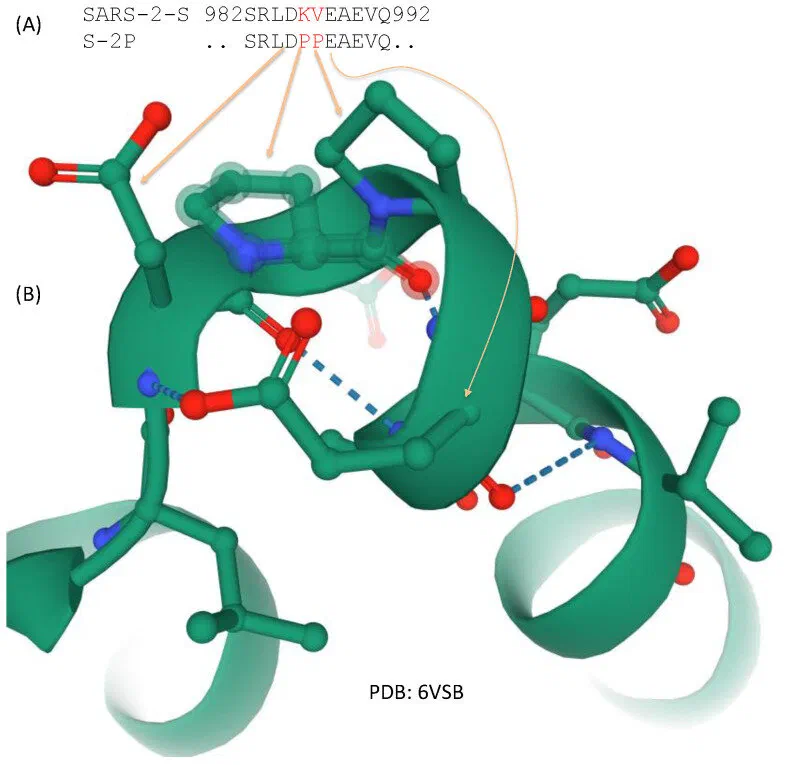
Figure 5: S-2P (K986P / V987P) proline substitutions used in Pfizer/BioNTech and Moderna mRNA vaccines. Source: Xia X., Viruses 2021, 13(1):109, PMC7829931.
2. Altered glycosylation
The spike is heavily glycosylated, and the pattern of N- and O-glycosylation depends on the cell type producing it. Spike produced in injected human tissues (via LNP delivery) carries a different glycan profile from spike produced during viral replication in airway epithelium. Differences at N331 and N343 have been reported in glycoproteomic studies. MECHANISTIC + PR · LOW-MODERATE. The immunological consequences are not well characterised clinically.
3. N1-methyl-pseudouridine (m1-pseudouridine) substitution
Both authorised mRNA products replace every uridine with N1-methyl-pseudouridine (m1-psi). This does two things: it lets the mRNA evade innate immune sensors (TLR3, TLR7, TLR8, PKR), and it increases translation efficiency.
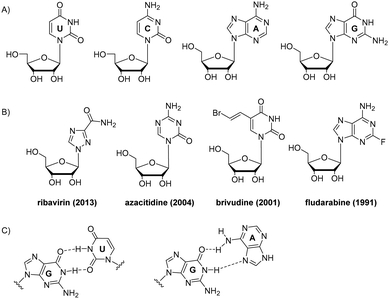
Figure 6a: Chemical structures of uridine (natural), pseudouridine, and N1-methyl-pseudouridine (m1-psi, used in COVID mRNA vaccines). Source: RSC Chemical Biology 2024, DOI 10.1039/d4cb00022f.
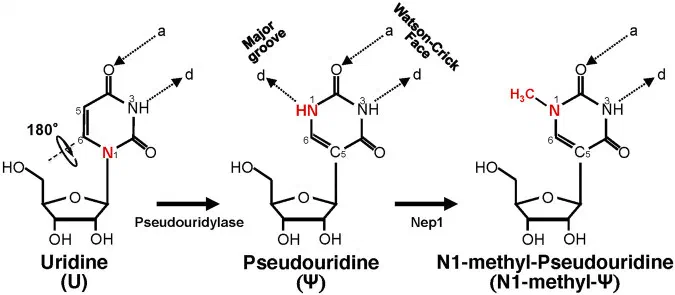
Figure 6a-1: Supplementary structural detail. Source: Morais et al., Front Cell Dev Biol 2021, 9:789427, Figure 1.
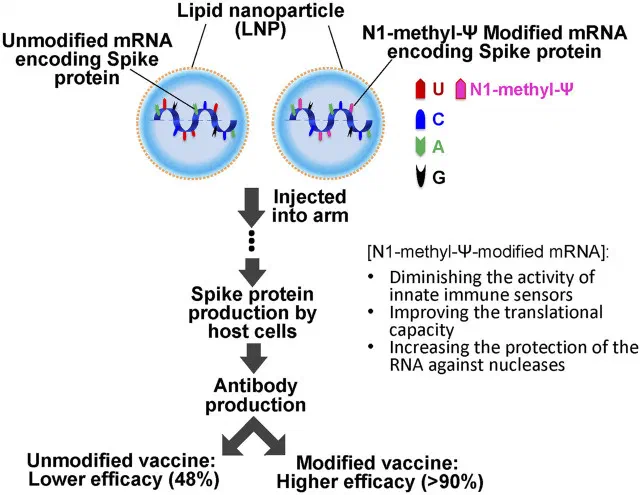
*Figure 6b: Schematic comparison of unmodified mRNA (CureVac CVnCoV, roughly 48% efficacy) versus m1-psi-modified mRNA (Pfizer / Moderna,
90% efficacy). Source: Morais et al., Front Cell Dev Biol 2021, 9:789427, Figure 2.*
Ribosomal frameshifting. Mulroney et al. (Nature 2024) used Ribo-seq and mass spectrometry to show that m1-psi substitution causes +1 ribosomal frameshifting at the FCS region, with reported frameshift efficiency around 5-10% of translation events. The frameshifted products are aberrant spike variants; some are immunogenic. PR + MECHANISTIC · MODERATE for the frameshifting finding itself. Boros et al. (2024) reported long-lasting frameshifted products in vaccinated individuals. PP · LOW-MODERATE.
The frameshifting finding is robust as a molecular observation. Whether the aberrant products cause harm at clinical scale is not established.
Sources.
- Mulroney et al., Nature (2024), DOI 10.1038/s41586-023-06800-3.
- Boros et al., Pharmacol Res Perspect (2024), DOI 10.1002/prp2.1218.
- Seneff et al., Food Chem Toxicol (2022), DOI 10.1016/j.fct.2022.113008.
- Morais et al., Front Cell Dev Biol (2021), DOI 10.3389/fcell.2021.789427.
VIII. LNPs, persistence, and the downstream cascade
LNP biodistribution is systemic
The mRNA is encapsulated in lipid nanoparticles because unmodified mRNA degrades rapidly in vivo. The LNP shell protects the mRNA, facilitates cellular uptake, and enables endosomal escape.
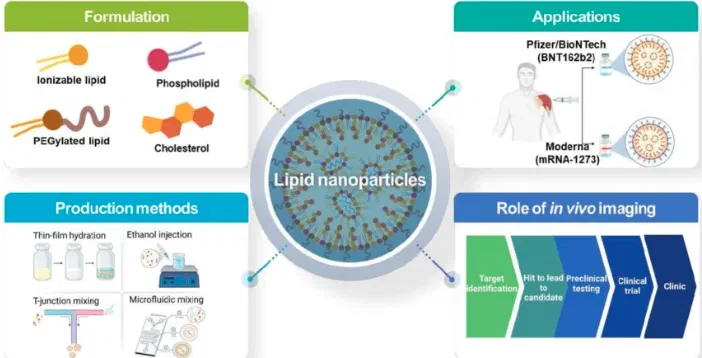
Figure 7a: Overall LNP structure for RNA therapeutic delivery. Source: ResearchGate archived figure.
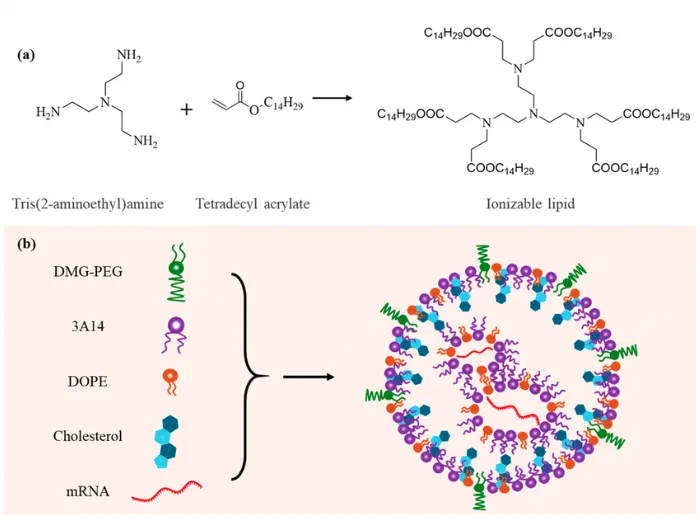
Figure 7b: LNP design showing ionisable lipids, PEG-lipids, cholesterol, and helper lipids. Source: ResearchGate archived figure.
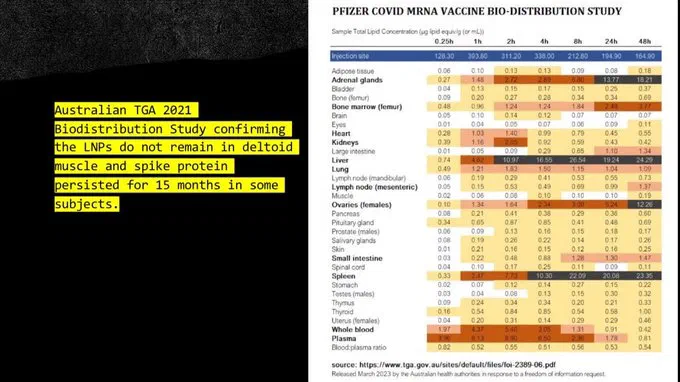
Figure 7c: LNP biodistribution in animal studies. LNPs distribute systemically and cross the blood-brain barrier and placenta. Moderna patented the formulation in 2012 (WO2012045075 A1; EP11830061). Source: archived presentation slides.
European Medicines Agency pharmacokinetic data (from the Pfizer EMA leak and Moderna regulatory filings) showed organ accumulation in rodent studies:
- Liver: up to 20% of injected dose.
- Adrenal glands: roughly 1-2% of injected dose.
- Ovaries: roughly 0.1% of injected dose.
- LNP and mRNA signal detected out to 9 days in rodent studies.
Human biodistribution data were not generated before rollout. PR + MECHANISTIC · MODERATE for the animal data; HYPOTHESIS · LOW-MODERATE for extrapolation to humans, since rodent and human LNP distribution profiles are not directly comparable.
The Moderna LNP formulation was patented in 2012 (international patent WO2012045075 A1; European patent EP11830061). The patent predates COVID-19 by seven years. ESTABLISHED · HIGH for the patent. The claim that the patent shows foreknowledge of pandemic use is not supported by the patent itself, which covers LNP delivery of nucleic acid therapeutics generally.
Spike persistence is documented in subsets
Spike or S1 has been detected in blood, monocytes, and tissues of some individuals for months to years after mRNA vaccination. These are case reports and small case series. Cohort prevalence is not established. The persistence observation matters because it contradicts the regulatory assertion that spike clears within weeks; it does not, on its own, prove that persistence causes disease in most recipients.
Short-term (days to weeks):
- Krauson et al., npj Vaccines (2023): vaccine mRNA detected in axillary lymph nodes up to roughly 30 days; spike protein found in myocardium of a subset of patients who died within 30 days of vaccination. PP · LOW-MODERATE.
Medium-term (months):
- Ota et al. (2025): spike protein expression in cerebral arteries up to roughly 17 months post-vaccination (female predominance noted). PP · LOW-MODERATE.
- Patterson et al. (2025): S1 subunit persists in CD16+ monocytes up to 245 days in post-vaccine syndrome cases. PP · LOW-MODERATE.
- Circulating recombinant spike protein fragments reported in blood for 187-709 days in systematic analyses of case series. PP + SR · LOW-MODERATE.
Long-term (years):
- Zenodo case report (2026): free Wuhan spike protein detected at roughly 1,173 days post-vaccination at 129 fg/mL plasma; vaccine mRNA in exosomes at roughly 1,284 days; spike in skin biopsies (endothelial cells, macrophages, nerve fibres) at roughly 1,364 days, with plasmid DNA (spike gene plus SV40 enhancer) confirmed by PCR / Sanger sequencing. This is a single case report. It documents that very long persistence is possible in at least one individual; it does not establish prevalence. CM.
For comparison, Stein et al. (Nature 2022, PMID 36517603) detected SARS-CoV-2 RNA and protein in basal ganglia and other CNS sites up to 230 days post-infection in an autopsy cohort (n=44). That is an infection-persistence finding, not a vaccination finding, but it documents that the spike protein can persist deep in tissue for months after natural infection.
SV40 promoter sequences and DNA contamination in the vials
Kevin McKernan's 2023 sequencing work first identified SV40 promoter / enhancer sequences in Pfizer mRNA vials. The finding has since been replicated by multiple independent groups including Speicher et al. (2025) and Buckhaults. The SV40 sequences derive from the plasmid DNA template used in Process 2 manufacturing.
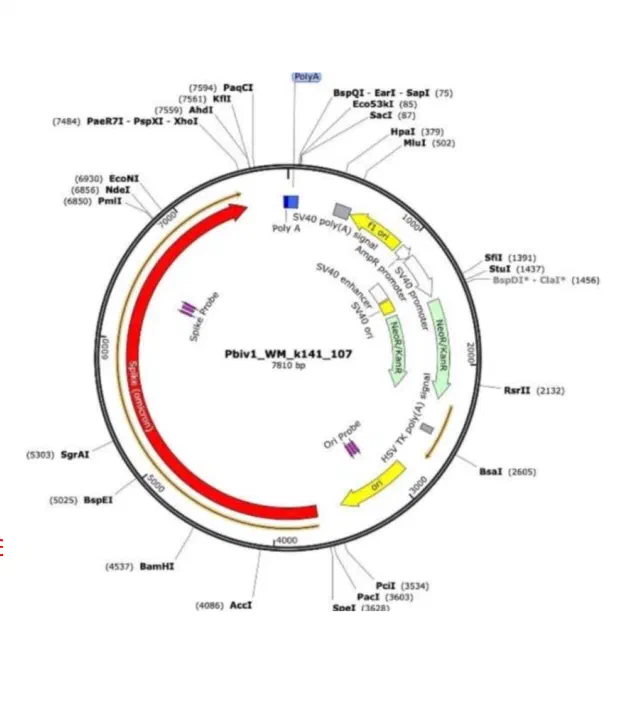
Figure 8: SV40 promoter / nuclear localisation signal context. SV40 large T antigen carries a classical NLS (PKKKRKV). Source: archived presentation slides.
| Parameter | Process 1 (clinical lots) | Process 2 (commercial lots) |
|---|---|---|
| Template | PCR-amplified DNA | E. coli plasmid |
| Purification | Extensive DNase treatment | Reduced purification |
| SV40 risk | None present | Confirmed contamination |
| Residual DNA levels | <10 ng / mg (roughly) | Up to a substantial fraction of total nucleic acid in some assays |
Table 2: Process 1 versus Process 2 manufacturing. Process 2 was used for commercial distribution and introduced bacterial DNA with active SV40 promoter sequences that were absent from clinical-trial lots. For the full manufacturing evidence, see The Case for Halting mRNA Experiments.
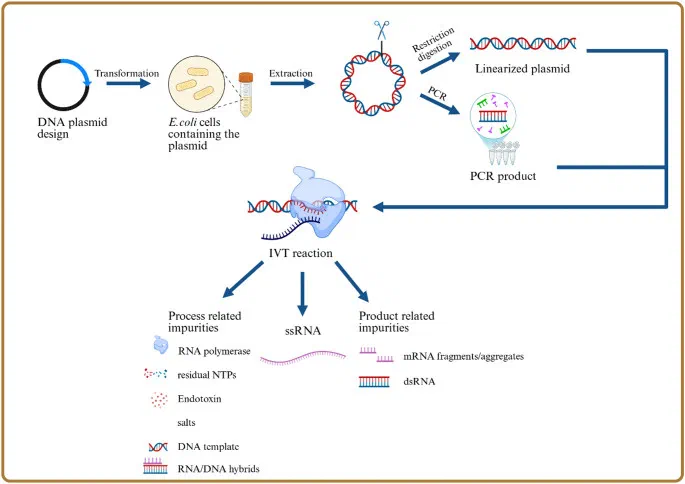
Figure 9: mRNA vaccine manufacturing process. The contamination risk point is the plasmid DNA template preparation. Source: Process and analytical strategies for the safe production of mRNA vaccines and therapeutics, PMC12819531.
The SV40 large T antigen nuclear localisation signal (PKKKRKV) is one of the best-characterised NLS sequences. It binds importin-alpha at roughly 10 nM Kd, forms a ternary complex with importin-beta, and uses the RanGTP gradient for active nuclear import. ESTABLISHED + MECHANISTIC · HIGH for the import mechanism.
Important distinction. The SV40 promoter / enhancer sequences in the vials are not the SV40 large T antigen coding sequence, and they are not infectious SV40 virus. The biological question is whether the SV40 promoter / enhancer DNA, when packaged into LNPs and delivered into cells, can drive expression of downstream bacterial or vaccine sequences, or facilitate nuclear entry of plasmid DNA. This is a mechanistic concern, not a documented clinical outcome. MECHANISTIC + HYPOTHESIS · LOW-MODERATE.
Speicher et al. (2025, Autoimmunity, DOI 10.1080/08916934.2025.2551517) provided comprehensive quantification of plasmid DNA and SV40 sequences in vials, with elevated DNA levels exceeding regulatory limits in some assays and confirmed SV40 presence in Pfizer vials. PR · MODERATE for the contamination finding; HYPOTHESIS for any clinical-disease link.
McKernan and colleagues reported substantial batch-to-batch variance in residual DNA content. The exact magnitude is contested between assays and groups; the qualitative point, that some commercial lots carried materially more DNA contamination than others, has been replicated. PR + PP · LOW-MODERATE.
Alden, read carefully
Alden et al. (Viruses 2023, DOI 10.3390/v15030522) reported that BNT162b2 mRNA can be reverse-transcribed in human hepatocyte-derived cells (Huh7) in vitro by LINE-1 endogenous reverse transcriptase, with the resulting DNA detectable by PCR. The study is in an immortalised hepatocyte cell line. It is not a demonstration that vaccine mRNA integrates into the genome of vaccinated humans in vivo. The authors were explicit about this limit in the original paper. PR + MECHANISTIC · MODERATE for the in vitro finding; HYPOTHESIS for any in vivo genomic integration claim.
An earlier version of this article described Alden as confirming "vaccine DNA integration in human genomes". That overstates the finding. The paper shows reverse transcription and DNA detection in a hepatocyte cell line, not integration into the genome of vaccinated humans.
The SIRT1 / miR-34a / HMGB1 / RAGE cascade (Pinsolle's framework)
This is Pinsolle's unifying mechanistic proposal.
Spike -> mitochondrial damage -> NAD+ depletion -> SIRT1 inhibition -> miR-34a up -> HMGB1 acetylation and release -> RAGE activation -> chronic inflammation.
This is a documented molecular cascade in model systems. The question of how much of it operates in vaccinated humans in vivo, and at what Spike-exposure threshold, is open. MECHANISTIC + HYPOTHESIS · LOW-MODERATE.
RAGE receptor activation by HMGB1, S100 proteins, amyloid-beta, and (hypothesised) spike-HMGB1 complexes drives NF-kB and MAPK cascades in endothelium, monocytes, microglia, and neurons. The "double-amyloid effect" (amyloid-beta plus HMGB1 both activating RAGE) is the mechanistic proposal for how spike exposure might amplify chronic inflammation.
Spike also promotes the formation of amyloid-like fibrinaloid microclots (resistant to fibrinolysis); see the Amyloid Fibrin Microclots review for that literature. MECHANISTIC + PR · MODERATE for the fibrinaloid phenomenon itself.
p53 and the S2 domain
Co-immunoprecipitation and proteomics studies report that spike's S2 domain interacts with p53 in cell models, with downstream impairment of p53 transcriptional activity reported in some cell systems. PR + MECHANISTIC · LOW-MODERATE for the interaction; HYPOTHESIS for any in-vivo clinical consequence.
Proposed downstream pathways (mechanistic, model-system):
- SIRT1 / ROS: spike -> mitochondrial dysfunction -> ROS up -> SIRT1 inhibition -> p53 acetylation up -> p53 degradation.
- MDM2 activation: spike activates MDM2 ubiquitin ligase -> p53 ubiquitination -> proteasomal degradation.
- Nuclear export: spike triggers p53 nuclear export -> cytoplasmic sequestration.
The dual mTOR pattern
Spike produces different mTOR effects in different cell types in model systems. In immune and proliferative cells, the pattern (p53 down, mTOR up) is reported to favour abnormal cell survival and reservoir persistence. In post-mitotic cells (neurons, cardiomyocytes), the pattern (dysfunctional p53, mTOR down) is reported to impair autophagy and produce degeneration. The clinical extrapolation to Long COVID symptom diversity is a hypothesis. MECHANISTIC + HYPOTHESIS · LOW-MODERATE.
Neurotoxicity pathways
- Spike-induced matrix metalloproteinase-9 (MMP-9) release from microglia (Kempuraj et al., 2024, PMID 39403255) degrades tight junction proteins and contributes to blood-brain barrier breakdown. MMP-9 is elevated in Long COVID patients. PR + MECHANISTIC · MODERATE.
- Prenatal spike exposure in male neonatal rats induces gliosis and neuronal death in hippocampal CA1-CA3 and cerebellum, with autism-like behavioural changes (PMID 37889404). AN · LOW-MODERATE.
- In a UCSF cohort of post-COVID patients with cognitive symptoms, 59% met formal HIV-associated neurocognitive disorder (HAND) diagnostic criteria using the same neuropsychological battery used in HIV clinics. PP · LOW-MODERATE.
The shedding hypothesis
The "shedding" hypothesis - that vaccine mRNA or spike produced by vaccinated individuals can be transmitted to close contacts - is biologically plausible via extracellular vesicles (EVs) and has documented component observations (LNPs in breast milk; spike in exosomes), but is not clinically confirmed at a level that would establish typical harm to contacts. Hélène Banoun's review of the excretion literature (TMR Journals 2023; AIMSIB 2022) is the most comprehensive survey.
Documented:
- LNPs spread systemically in animal studies (EMA biodistribution).
- Vaccine mRNA detected in bloodstream (free, in nanoparticles, or in natural exosomes).
- Vaccine spike detected free or in exosomes.
- LNPs and exosomes excreted in sweat, sputum, and breast milk in animal models and small human studies.
- Transplacental passage documented.
Reported but unconfirmed at scale:
Reports of menstrual irregularities, bleeding disorders, miscarriages, and neurological or cardiovascular symptoms in unvaccinated close contacts of recently vaccinated individuals exist as clinician and patient reports (Kory 2024; Midwestern Doctor). They are not controlled cohort data. In populations where most people are vaccinated, separating background event rates from any contact effect requires epidemiology that has not been done.
The regulatory point. Under US and EU gene-therapy regulations, excretion studies are required for products classified as gene therapy. The COVID mRNA products were not classified as gene therapies. The excretion studies were therefore not conducted. This is the strongest single point in the shedding section: not that shedding is proven, but that the data to settle it were never generated. HYPOTHESIS · MODERATE.
Sources.
- Banoun H., TMR Journals (2023), archived 2024-12-25.
- Banoun H., AIMSIB (2022).
- Kory P., "Shedding of Covid mRNA Vaccine Products" (2024), pierrekorymedicalmusings.com.
- Midwestern Doctor, "What We've Learned From A Year of Treating Long COVID and Vaccine Injuries".
NAD+ restoration as a therapeutic angle
A double-blind RCT (NCT04809974, Mass General Brigham, published in eClinicalMedicine in November 2025) randomised 58 Long COVID adults to nicotinamide riboside (NR) at 2,000 mg/day or placebo lead-in, for up to 20 weeks.
- NAD+ levels rose 2.6-3.1-fold within 5 weeks and stayed elevated.
- No significant between-group differences at 10 weeks on primary outcomes.
- Exploratory within-group analysis (participants on NR for >=10 weeks) showed clinically meaningful improvements in executive function, fatigue, sleep quality, and depression symptoms.
- No serious adverse events.
PR · MODERATE for NAD+ restoration as an adjunctive intervention in Long COVID. Larger and longer trials are needed. This fits the SIRT1-restore side of Pinsolle's cascade.
IX. Superseded analyses
Four quantitative claims carried in earlier versions of this analysis have been retracted and are no longer part of the evidence base. They are recorded here, compressed, so earlier readers can see the correction; the full reasoning is preserved in the article's git history.
- R685G per-sequence statistics (binomial p ~7x10^-25, Fisher exact p ~1.3x10^-25, odds ratio ~15,838,980:1). Retracted for pseudoreplication: ~15.8 million GISAID deposits are heavily oversampled descendants of a few introduction events, not independent observations, and no phylogenetically-aware null model was ever built. The underlying concentration (R685G in 4 of 8 UNC-cohort sequences, rare in the global set; counts per Quay & Massey, "The Illusion of Biosafety during SARS-CoV-2 Research", 23 July 2025 v3, GISAID EPI_SET_250327so) remains worth investigating. The statistics are not quotable.
- The combined "P = 10^-36" probability multiplying four DEFUSE, ACE2, geographic, and R685G figures. Retracted: the four observations are not independent (under the lab-origin hypothesis they are all consequences of the same event), and three of the four figures are not probabilities at all. The forensic-DNA comparison was a false analogy.
- The TTTTAA motif claim (36 copies each in SARS-CoV-2 and BANAL20-52, presented as a "smoking gun"). Retracted as a Texas sharpshooter fallacy: short AT-rich motif counts track AT content and clade relatedness, not origin.
- The Alden overstatement (describing Alden as confirming "vaccine DNA integration in human genomes"). Retracted inline in the Alden subsection of Section VIII: the paper shows reverse transcription and DNA detection in a hepatocyte cell line, not integration in vaccinated humans.
None of the four carried load-bearing weight in the framework. The lab-origin argument (Sections I and IV) does not depend on them and is stronger without them.
X. Biological weapons classification: an interpretive claim
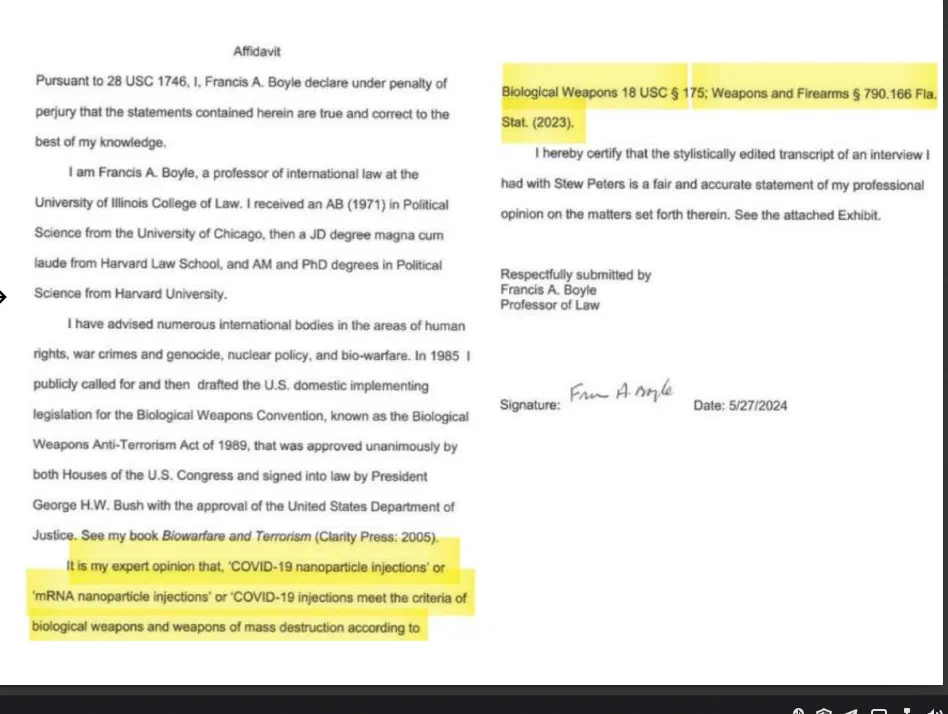
Figure 10: Professor Francis Boyle's affidavit (May 27, 2024). Boyle drafted the US Biological Weapons Anti-Terrorism Act of 1989. Source: archived presentation slides.
Professor Francis Boyle, who drafted the US Biological Weapons Anti-Terrorism Act of 1989, signed an affidavit on May 27, 2024 arguing that both SARS-CoV-2 and the mRNA injections meet the legal definition of biological weapons and weapons of mass destruction under that statute and under the Biological Weapons Convention (BWC). The affidavit cites DARPA funding of Moderna mRNA technology and US research cooperation with WIV.
What the BWC actually prohibits
The BWC (1975) prohibits development, production, stockpiling, or acquisition of biological agents "that have no justification for prophylactic, protective or other peaceful purposes" (Article I), and requires States Parties to take national measures to prevent such work on their territory (Article IV), and prohibits transfer or assistance (Article III).
The legal question is whether NIAID-funded coronavirus research at WIV (including the MERS chimera work under R01AI110964) had peaceful justification, and whether the COVID mRNA products were developed and deployed with intent compatible with the BWC framework. Boyle argues no on both counts.
HYPOTHESIS + INV for the legal classification claim. No formal BWC complaint has been heard on these issues; the BWC has no enforcement body comparable to the IAEA, so the legal question has not been, and may never be, adjudicated by any tribunal. Counter-arguments emphasise legitimate vaccine and countermeasure research rationales.
Sources.
- Boyle F., affidavit (May 27, 2024).
- Skopec R., J Vaccines Vaccin (2021), 12:446 (open-access summary of Boyle's position).
- BWC text (1972), UNODA archives.
- Massey SE et al., Zenodo (2025), "Potential violation of the Biological Weapons Convention".
XI. Cancer signals: what an aggregation can and cannot show
A compilation of case reports and small case series can document temporal association and flag a signal worth investigating. It cannot establish that vaccination caused the cancers it lists. Background cancer rates in a vaccinated population of billions guarantee that some cancers will appear shortly after vaccination by chance. The value of the aggregation is that it argues the question deserves controlled prospective study, not that it answers the question.
The Kuperwasser and El-Deiry systematic review (2026)
Kuperwasser & El-Deiry (2026, Oncotarget, DOI 10.18632/oncotarget.28824) conducted a systematic review of 69 publications covering 333 patient cases across 27 countries plus population studies documenting cancer signals following COVID vaccination. The review covers rapid progression of haematological malignancies and solid tumours, IgG4 class switching, frameshifting, DNA contamination, and spike / p53 / BRCA interactions. SR + PP · LOW-MODERATE for the aggregation as a signal warranting investigation.
Gentilini et al. (2026)
Gentilini et al. (2026, Oncotarget, DOI 10.18632/oncotarget.28827) reported acute lymphoblastic leukaemia / lymphoblastic lymphoma following Pfizer vaccination with a mechanistic review (m1-psi frameshifting, mitochondrial toxicity, IgG4 class switching, p53 / BRCA pathway disruption). CM.
Isidoro (2025)
Isidoro (2025, Cancers, DOI 10.3390/cancers17233867) reviewed plausible mechanistic links between mRNA vaccines and cancer, covering shared pro-carcinogenic pathways, mRNA-specific features (pseudouridine modification, GC enrichment, sequence impurities), frameshift consequences, and G-quadruplex effects on Type I interferon suppression. MECHANISTIC + SR · LOW-MODERATE.
IgG4 class switching
Irrgang et al. (2023, Sci Immunol, DOI 10.1126/sciimmunol.ade2798) reported progressive IgG4 class switching after repeat mRNA vaccination. The class switch itself is well documented and replicated. Its clinical meaning is contested. Some groups interpret IgG4 as a tolerogenic / pro-tumoural shift; others read it as an expected repeated-exposure reframing without proven pathological effect. PR · MODERATE for the class-switch observation; HYPOTHESIS for the disease-causation reading.
Sources.
- Irrgang et al. (2023), Sci Immunol, DOI 10.1126/sciimmunol.ade2798.
- Kiszel et al. (2023), Sci Rep, DOI 10.1038/s41598-023-40103-x.
- Uversky et al. (2023), Vaccines, DOI 10.3390/vaccines11050991.
What the cancer section supports
These studies document reported signals and plausible mechanisms. Individually and collectively they do not establish that mRNA vaccination causes cancer in recipients. What they support is:
- A signal sufficient to justify prospective investigation, not a settled finding of harm.
- Plausible mechanisms (IgG4 remodelling, DNA contamination, frameshifting, p53 / BRCA interference) each requiring epidemiological confirmation.
- A case for dose-dependent investigation, not a claim of dose-dependent harm.
XII. Counter-evidence, engaged
The counter-evidence constrains how strong the harm claims can be. None of it proves the products are harmless at population scale. All of it deserves to be read carefully rather than waved away.
Albertson et al. (2024): Pfizer-sponsored troponin study
Albertson et al. (2024, PMID 38489117) is a Pfizer-sponsored, placebo-controlled troponin study in thousands of 5-30 year-olds post-BNT162b2. Elevated troponin was uncommon (at or below 1.0%) and occurred at similar rates before vaccination, 4 days post-dose, and 1 month later, with findings comparable between vaccine and placebo recipients and no myocarditis or pericarditis cases reported. PR · HIGH for the negative finding in this age band. Funding source disclosed (Pfizer-sponsored).
Pfeiffer et al. (2026): Moderna-sponsored troponin study
Pfeiffer et al. (2026, DOI 10.1093/ofid/ofag139) is a Moderna-sponsored phase 4 RCT in roughly 1,000 healthy participants aged 12-30 years at 24 US sites, randomised placebo-controlled observer-blind crossover, comparing mRNA-1273.712 50 microgram to placebo 28 days apart. cTnI elevations were infrequent (around 1.8% any elevation), similar after vaccine versus placebo, often linked to physical activity, without myocarditis or pericarditis symptoms or diagnoses. PR · MODERATE (industry-funded; placebo-controlled design is robust, but sponsorship is a known source of bias in adverse-event reporting). Funding source disclosed (Moderna-sponsored).
What the troponin nulls do and do not settle
This is the critical move. The Albertson and Pfeiffer null results settle short-term subclinical cardiac signal in the median young recipient. They do not settle any of the following:
- Long-term oncogenic outcomes. Troponin studies do not measure cancer. The Kuperwasser and El-Deiry aggregation, the IgG4 remodelling literature, and the p53 / BRCA mechanistic work point at outcomes whose timelines are measured in years, not weeks.
- Long-term neurodegenerative outcomes. Troponin studies do not measure cognitive decline, early-onset dementia patterns, or autonomic dysfunction. The MMP-9 / BBB breakdown literature and the UCSF HAND-cohort finding point at outcomes that take years to surface.
- Persistence in the heavy-exposure tail. The Albertson cohort excludes people with documented persistence. If harm is concentrated in the subset of recipients with documented long-duration spike persistence (Sections VII and VIII), a study that averages over the full cohort will return a null result without disproving concentration in the tail. The median recipient and the persistence-case recipient are different patients.
- Cumulative dose effects under repeat dosing. Both studies are short-cycle crossover designs. They do not measure cumulative IgG4 remodelling or reservoir growth over multi-year schedules.
The honest reading is asymmetric. Mechanism harm is plausible, persistence is real in subsets, contamination is documented, and several of these signals have not been adequately followed up. The large placebo-controlled troponin studies show that, at least for short-term subclinical cardiac signal in the age bands they studied, no signal was detected. They do not address long-term oncogenic, neurodegenerative, or autoimmune outcomes, which were not within their scope.
A null result in a narrow window does not refute a mechanism whose predictions fall outside that window. It refutes the subset of predictions that fall inside it. The troponin nulls refute the strongest short-term subclinical cardiac harm claim. They leave everything else in this article standing.
Population-scale cancer cohort studies
As of mid-2026, no large, independent, well-controlled cohort study shows a marked cancer-incidence signal attributable to mRNA vaccination. The Kuperwasser and El-Deiry aggregation remains a case-series signal, not a cohort finding. The absence of a positive cohort signal is not the same as evidence of no effect: large independent cohorts with the right endpoints and follow-up windows have not been run.
Spike clearance in most recipients
In the bulk of vaccinated individuals, circulating spike is not detectable beyond the early-post-vaccination window. The persistence literature documents subsets, not the typical recipient. This is a real constraint on the harm claim: if 99% of recipients clear spike within weeks and 1% do not, the population-level attributable risk is bounded by the 1% prevalence times whatever per-recipent risk applies in that subset. That is still non-trivial; it is also still much smaller than a uniform-harm claim.
XIII. The bottom line
Established.
- The SARS-CoV-2 spike carries an FCS absent from every other sampled sarbecovirus.
- DEFUSE was a 2018 proposal by Daszak, Shi, and Baric explicitly specifying FCS insertion at the S1/S2 boundary. The proposal was rejected by DARPA and later leaked by DRASTIC.
- Under the same NIAID grant (R01AI110964), a MERS chimera with an inserted FCS was actually built in pre-pandemic Wuhan (HKU4r-HZAU-2020, Massey reverse-discovery).
- Germany's BND assessed lab-origin probability at 80-95% in 2025.
- The July 2026 Rand Paul Senate release of the Proximal Origin authors' private Slack channel documents that the four co-authors published "no laboratory-based scenario is plausible" while privately assigning 20-30% probability to lab origin, admitting in writing they could not "rule out that somebody actually put it in there," and complying with a telecon instruction to keep lab escape out of public discussion, then spent the following year coordinating how to manage their paper trail around FOIA. The single most-cited "scientific consensus" paper on COVID origins was, by its own authors' contemporaneous private admissions, a document that knowingly overstated what they believed.
- The mRNA products are genetically delivered therapeutics encoding spike inside the recipient's cells. Dose, duration, and production site per recipient are unknown.
- The CDC changed the definition of "vaccine" in September 2021.
- Pfizer Process 2 vials contain SV40 promoter / enhancer sequences and residual plasmid DNA above regulatory limits in some assays.
- Spike or S1 has been detected in blood, monocytes, and tissues for months to years post-vaccination in case reports.
- m1-pseudouridine substitution produces +1 ribosomal frameshifting at the FCS region (Mulroney 2024).
- Repeat dosing produces IgG4 class switching (Irrgang 2023).
Defensible but not settled.
- The lab-origin hypothesis as the actual origin of SARS-CoV-2. Documentary and structural evidence support it. No counterpart Western intelligence agency has published a BND-comparable assessment. The strongest statistics previously attached to it have been retracted.
- The argument that the mRNA products should have been regulated as gene therapy with the corresponding follow-up obligations. The structural case is sound. The legal question has not been adjudicated.
- The argument that several mechanisms (p53 interference, SIRT1 / HMGB1 / RAGE, dual mTOR) produce clinical disease at population scale. The mechanisms are documented in model systems. Population- scale epidemiology has largely not been run.
The studies that would settle it.
Large, well-controlled, long-follow-up vaccinated-versus-unvaccinated cohort studies with pre-specified endpoints and independent access to raw data. Long-term oncogenic, neurodegenerative, and autoimmune endpoints. Pre-specified subset analysis for persistence-positive recipients. Independent batch-level DNA contamination quantification. Those studies have largely not been run.
The argument for pausing, conducting the missing studies, and reforming the regulatory framework does not require the most dramatic versions of the harm claim to be true. It requires only that several mechanism-harm pathways are plausible, that some have small-cohort clinical support, that the products were authorised under a framework that did not require the gene-therapy follow-up package, and that the studies needed to settle the open questions have not been done. That is the strongest version of this article's argument and it is the version the evidence supports.
Methodology
Evidence grading is documented on the Methodology page.
The grading system uses three axes (claim tier, study type,
confidence) summarised there. Investigator commentary (McCairn,
Rixey, Boyle, Banoun, Kory, McKernan, Speicher, Buckhaults, Pinsolle,
Dugger) is cited where relevant; where a claim depends on
investigator work that has not been peer-reviewed, the badge carries
INV. Primary documentary sources released under legislative
oversight (the July 2026 Rand Paul Senate release of the Proximal
Origin authors' Slack channel, slack-drop-pm.pdf) are quoted
verbatim with date and author; authenticity has not been disputed by
the authors. Four retracted claims (R685G p-values, the 10^-36
combined probability, the TTTTAA motif claim, the Alden overstatement)
are recorded in Section IX and inline in Section VIII rather than
silently removed. The formal retraction request to Nature Medicine
that this evidence produced is prepared and will be published on
this site before it is filed.
For the manufacturing,
contamination, and regulatory evidence in more detail, see
The Case for Halting mRNA Experiments.
Related posts
- The Case for Halting mRNA Experiments - the manufacturing and contamination companion.
- Insertional Mutagenesis Defence - genomic-integration mechanisms and cardiac counter-evidence.
- Amyloid Fibrin Microclots in Long COVID - the fibrinaloid microclot literature.
- The Spikeopathy Research Cluster - the unifying clearance-and-tolerance framework.
- Methodology - how this article's evidence tags work.
Credit and follow
This article is a write-up of the integrated framework developed and presented by Dr. Typhaine Pinsolle (https://x.com/PinsolleT). She has not reviewed this write-up; she is not responsible for any errors it contains.
Two further researchers whose work this article relies on, credited inline rather than only in passing:
- Dr. Steven E. Massey (UPR Rio Piedras) - the 2024-2025 reverse-discovery of HKU4r-HZAU-2020 and the 2025 BWC-violation paper. Zenodo: https://zenodo.org/records/19699408.
- Dr. Steven Quay (Atossa, Hudson Institute) - co-author with Massey of "The Illusion of Biosafety during SARS-CoV-2 Research". Personal site: https://drquay.com.
Both have publicly advocated the lab-origin hypothesis. Neither has reviewed this article. The framing, the evidence grading, and the retractions are mine.