Health evidence reviews, original sequence research, mechanisms and documentary investigations: the clearance-and-tolerance framework, pathway mechanics, and the natural compounds that act as levers within it.
Investigations into natural compounds, cellular health mechanisms, and evidence-based wellness protocols.
Featured: The Spikeopathy Research Cluster
The most developed work on this site. A unified framework for chronic spike-related illness as systemic clearance and tolerance failure under persistent antigenic drive: pathway mechanics (mTOR, glymphatic, SIRT1), five mechanistic subtypes, a tiered biomarker matrix, and intervention protocols. Evidence-graded, primary-source, falsifiable.
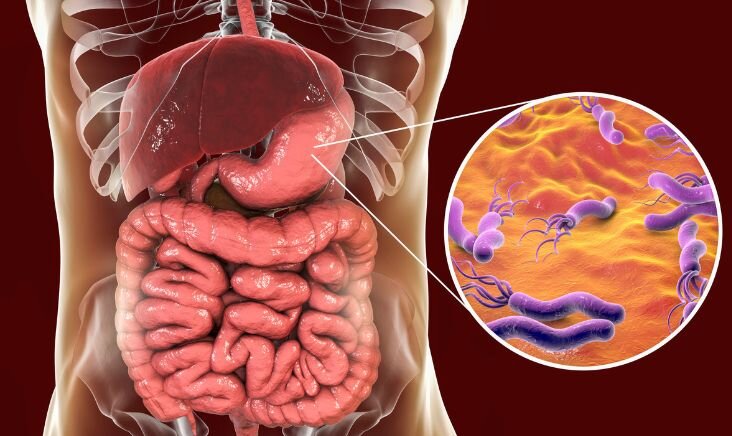
Gut parasites and the microbiome, graded claim by claim: the documented disruption mechanisms at the top, the diet and supplement restoration stack in the middle at the grade its sources support, and the herbal anti-parasitics at the bottom mostly as in-vitro or traditional evidence.
The Gut-Cancer Connection: Natural Prevention Through Diet & Lifestyle
Discover the profound link between gut health and cancer prevention. This guide reveals cellular pathways and provides actionable dietary and lifestyle strategies to support gut integrity and reduce cancer risk.
Vitamin D: What the Evidence Supports, and Where Dose Matters
Vitamin D graded claim by claim: the established bone and deficiency evidence, the one good immune meta-analysis, and the weaker muscle, cardiovascular, and mood claims. Dosing, upper limits, and cofactors, with the evidence tier for each.
Collagen and Vitamins for Gut Health: What the Evidence Shows
Collagen synthesis depends on specific vitamins, and gut health shapes both supply and demand. What the evidence supports, and where it stays preliminary.
Genomic Under Siege: Mutagen Defense in the Age of Persistent Spike
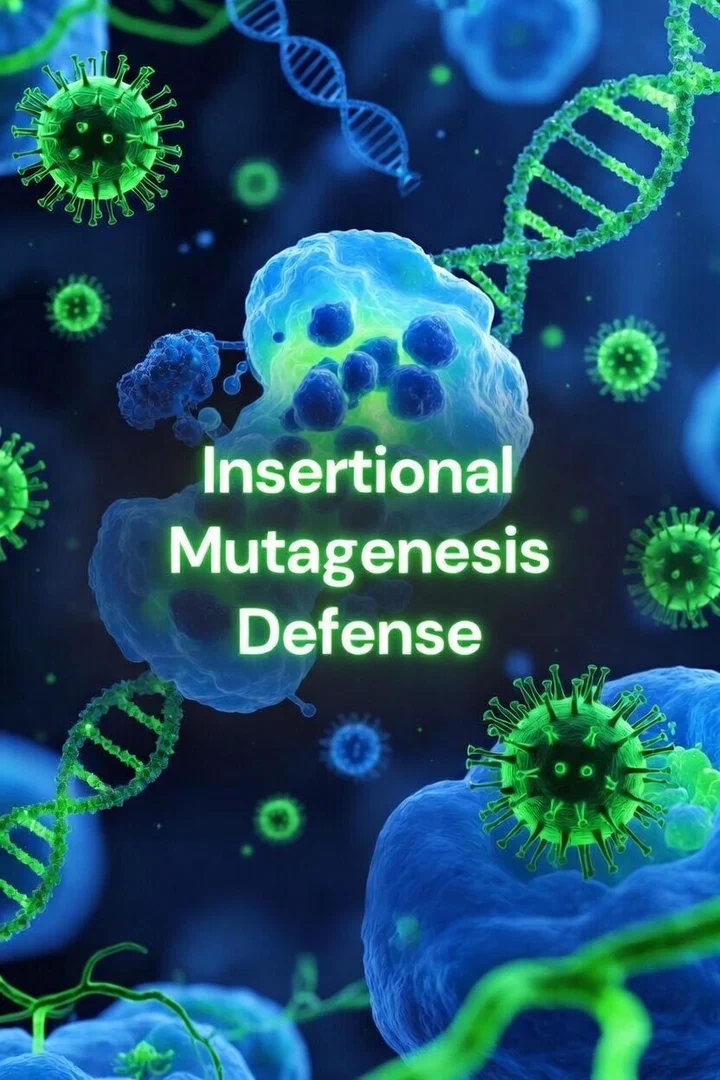
Three-layer evidence-graded framework for genomic defense: classic mutagen neutralisation (chlorophyllin, broccoli sprouts, curcumin), 2025-2026 research on spike persistence and mTOR / p53 dysregulation, and targeted cardiac and mast-cell protocols. Documents what works, what backfires, and what is still open.
A1 vs A2 Milk: BCM-7, Inflammation, and What the Evidence Shows
Evidence analysis of A1 vs A2 beta-casein in cow's milk: BCM-7 formation, inflammatory potential, gut health effects, and what human studies actually show.
Grounding (Earthing): Evidence Analysis and Practical Benefits
What the small grounding trials actually report (cortisol, sleep, red-cell charge, HRV), the single-research-group limitation and industry ties, the undemonstrated electron-transfer step, and practical ways to practise earth connection.
Melatonin and CBD for Neuroprotection: Evidence Analysis
Evidence analysis of melatonin and CBD for demyelinating disorders: remyelination research in animals, anti-inflammatory effects, and translation to human multiple sclerosis treatment.
Pumpkin Seeds: What the Evidence Actually Shows
Evidence analysis of pumpkin seed nutrients: magnesium for muscle function, zinc for immune support, prostate health research, and what's actually proven versus speculative.
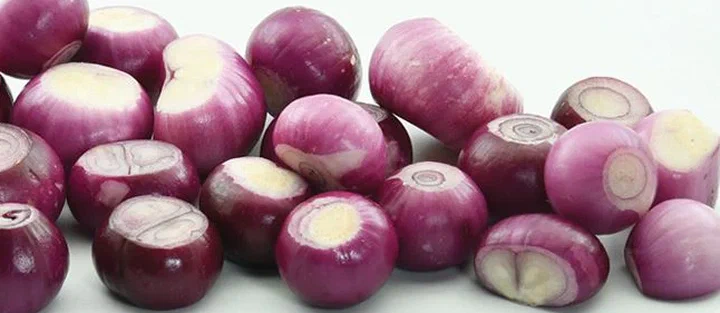
Red Onions: Quercetin, Zinc, and What the Evidence Shows
Evidence analysis of red onions: quercetin as zinc ionophore, cardiovascular effects, antioxidant capacity, and bioavailability differences between raw and cooked preparations.
Spike-Related Injury Support: Evidence Snapshot and Cautions
Evidence-graded review of investigational interventions for spike-associated thromboinflammation: enzymatic fibrinolytics, polyphenols, thiol antioxidants, mTOR-axis modulators, and double filtration plasmapheresis. Documents what the peer-reviewed literature does and does not show.
Cat's Claw: What the Evidence Shows
Cat's claw graded claim by claim: two small human arthritis trials, preclinical immune and NF-κB mechanisms, and the antiviral, gut-healing, and cardiovascular claims that outrun them. Trial doses, product-standardization gap, and interactions.
About Measslainte
Independent research by Thomas Emmett, exploring natural health protocols, cellular detox, and chronic recovery strategies. Evidence-based, no hype.
Disclaimer: This content is for educational purposes only and not medical advice. Claims are based on emerging research. Consult a healthcare professional before making changes to your diet or supplement regimen, especially if you have underlying health conditions or are taking medications.