Table of Contents
Key Takeaways
- DNA contamination confirmed by 9+ independent labs across four continents, up to 627-fold above regulatory limits with 815-fold variance between batches.
- Speicher et al. 2025 found 100 percent of 27 lots contaminated; the SV40 promoter is hypomethylated and therefore biologically active.
- The Process 1 to Process 2 switch lost its planned safety comparison cohort via Protocol Amendment 20.
- Human genomic integration remains unestablished; the contamination, SV40, and bacterial-origin findings are HIGH confidence.
TL;DR
The core finding: mRNA vaccines contain bacterial DNA with active SV40 promoter sequences: contamination confirmed by 9+ independent labs across four continents, with levels up to 627-fold above regulatory limits and 815-fold variance between batches.
Key findings by confidence level:
| Finding | Evidence | Confidence | Status |
|---|---|---|---|
| DNA contamination exceeds limits | Speicher et al. 2025: 100% of lots contaminated (27 lots), up to 627-fold exceedance | HIGH | Established |
| SV40 promoter present and active | McKernan et al.: Hypomethylated = biologically active; multiple global labs confirm | HIGH | Established |
| Bacterial origin confirmed | m⁶A methylation in GATC motifs = E. coli fingerprint | HIGH | Established |
| Process 1 vs Process 2 change | Pfizer documents; safety comparison cohort removed via Protocol Amendment 20 | HIGH | Documented |
| Spike persistence | Röltgen et al. 2022: up to 8 weeks (56 days) in lymph nodes; Patterson et al.: 15 months in monocytes | MODERATE | Emerging |
| SV40 nuclear localization | Established NLS mechanism (PKKKRKV); in vitro evidence | MODERATE | Mechanistic |
| Somatic hypermutation disruption | SV40 as SHM targeting element (Šenigl et al. 2024, Tumour Virus Res, PMID 39490533) | LOW-MODERATE | Hypothetical |
| Genomic integration in humans | Biological mechanisms plausible; direct evidence lacking | LOW | Uncertain |
The critical issue: The vaccine billions received was not the same one tested in trials. Pfizer switched from "Process 1" (clinical trial manufacturing) to "Process 2" (mass production using E. coli plasmid DNA) without proper safety validation, and then removed the planned comparison cohort.
Why this matters: This DNA isn't inert. The SV40 promoter acts as a nuclear localization signal, enabling plasmid DNA to enter the nucleus where integration could occur. Multiple biological mechanisms exist for potential harm, and internal regulatory documents show scientists were alarmed while public assurances dismissed concerns.
Falsifiability tests: How this model could be wrong
- GMP-grade replication: If regulatory agencies repeat independent lab findings using certified reference materials → contamination confirmed
- Longitudinal cohort studies: If Process 1 vs Process 2 recipients show identical adverse event profiles → manufacturing change irrelevant
- Integration studies: If human tissue samples show zero plasmid DNA integration at any timepoint → integration risk theoretical only
- Biomarker surveillance: If cancer incidence remains flat over 5-10 years in highly exposed cohorts → clinical impact minimal
Executive Summary
The mRNA vaccine platform won a Nobel Prize for brilliant engineering: specifically, making synthetic mRNA stable enough to work as a drug through m1Ψ (pseudouridine) modification and lipid nanoparticle delivery.
But between clinical trials and mass production, something fundamental changed. Pfizer switched manufacturing processes without adequate safety validation, introducing bacterial DNA contamination with functional SV40 promoter sequences.
What we know:
- DNA contamination is confirmed by global scientific consensus (9+ independent labs)
- Contamination levels exceed regulatory limits up to 627-fold
- 815-fold variance between batches reveals systemic manufacturing control failure
- SV40 promoter is biologically active (hypomethylated) and enables nuclear entry
- Internal regulators were alarmed while maintaining public reassurance
What we don't know:
- Long-term clinical consequences of chronic DNA exposure via LNPs
- Population-level effects of somatic hypermutation disruption
- Actual genomic integration frequency in human tissues
- Whether early cancer mortality signals represent true causality
The burden of proof has shifted. It's no longer sufficient to claim "no evidence of harm"; we need robust evidence of safety given documented contamination, identified biological mechanisms, and regulatory transparency failures.
Declaration of Purpose
This analysis synthesizes emerging scientific evidence from peer-reviewed studies, regulatory documents, manufacturer patents, and independent laboratory analyses. It is presented for informational and discussion purposes to advance scientific transparency and public understanding.
This is not medical advice. Clinical decisions belong with qualified healthcare professionals.
Critical Research Gaps: What We Still Don't Know
The documented contamination raises fundamental questions that remain inadequately studied. These gaps represent the difference between "theoretical risk" and "demonstrated safety."
From persistence mechanisms to long-term surveillance: See Critical Research Gaps: What We Still Don't Know About DNA Contamination for the complete research agenda covering:
- Persistence & biodistribution (DNA half-life in tissues)
- Nucleic acid sensing (TLR7/8, cGAS-STING pathways)
- Genomic integration risk (LINE-1 mechanisms)
- Individual variability (genetic polymorphisms, inflammation)
- Dose & timing effects (thresholds, cumulative risk)
- Manufacturing quality control (batch variance, SV40 consistency)
- Long-term surveillance (biomarkers, registries)
THE BURDEN OF PROOF: These questions should have been answered before mass deployment. Instead, billions received products while regulators admitted "SV40 must be avoided" and removed safety comparisons. Health Canada emails prove internal alarm while maintaining public reassurance.
The Engineering That Won a Nobel Prize
Drew Weissman and Katalin Karikó solved a fundamental problem: making mRNA stable enough to work as a drug. The m1Ψ (pseudouridine) modification was brilliant; it made synthetic mRNA "invisible" to our innate immune system. Lipid nanoparticles provided the armored delivery system.
But in medicine, every solution begets new questions. The very modifications that stopped our bodies from breaking down synthetic mRNA may have created something we didn't anticipate: a vaccine that doesn't clear on schedule, leading to prolonged spike production and cascading biological consequences.
The Switch Nobody Announced: Process 1 vs Process 2
Here's what happened: Pfizer's clinical trials used "Process 1" manufacturing. The version billions received came from "Process 2." Were they the same product?
We don't know because the planned safety comparison vanished.
Pfizer's original trial design included a cohort receiving both Process 1 and Process 2 material for direct comparison. Then in September 2022, Protocol Amendment 20 removed this objective just as Process 2 dominated global supply. When researchers filed Freedom of Information requests asking how equivalence was demonstrated, regulators acknowledged the question but provided no analytical data.
For detailed analysis of manufacturing changes, see Pfizer Process 1 vs Process 2: What Changed, What's Measured, and What Remains Uncertain
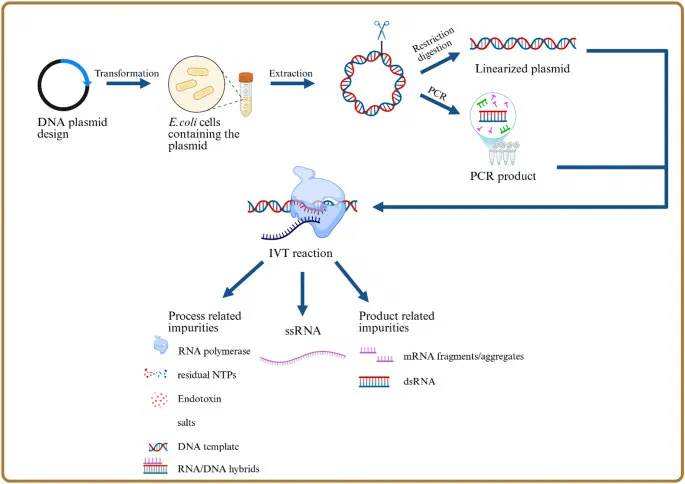
Figure 1: mRNA vaccine manufacturing process flowchart. The critical divergence point between Process 1 (enzymatic/PCR) and Process 2 (E. coli plasmid) occurs at the DNA template preparation stage. Process 2 introduces bacterial DNA contamination including SV40 promoter sequences.
The Contamination: It's Not Just DNA, It's Biologically Active DNA
Multiple independent labs across four continents have found significant levels of plasmid DNA fragments in vaccine vials. But forensic sequencing reveals this isn't just about quantity; it's about biological activity.
Global Laboratory Consensus (9+ teams confirming)
| Lab | Location | Key Finding | DNA Level |
|---|---|---|---|
| McKernan | USA | Residual plasmid DNA | 10-843 ng/dose |
| Buckhaults | USA | Cancer geneticist confirmed oncogenic risk | N/A |
| König/Kirchner | Germany | 500x over regulatory limit | 3,600-5,340 ng/dose |
| Kämmerer | Germany | SV40 promoter/enhancer identified | N/A |
| Raoult | France | Full plasmid recovery in vials | N/A |
Peer-Reviewed Quantification
Speicher et al. (2025) provided the first comprehensive analysis of 27 mRNA vaccine lots:
- Residual DNA exceeded EMA/FDA limits by up to 627-fold
- SV40 promoter-enhancer detected at 0.25–23.72 ng/dose in Pfizer vials
- Oxford Nanopore sequencing revealed fragments up to 3.4 kb, large enough for functional integration
- 815-fold variance in dsDNA levels between batches
- Mean fragment length ~214 bp with maximum fragments up to 3.5 kb
- Direct correlation between higher DNA levels and increased VAERS adverse event reports
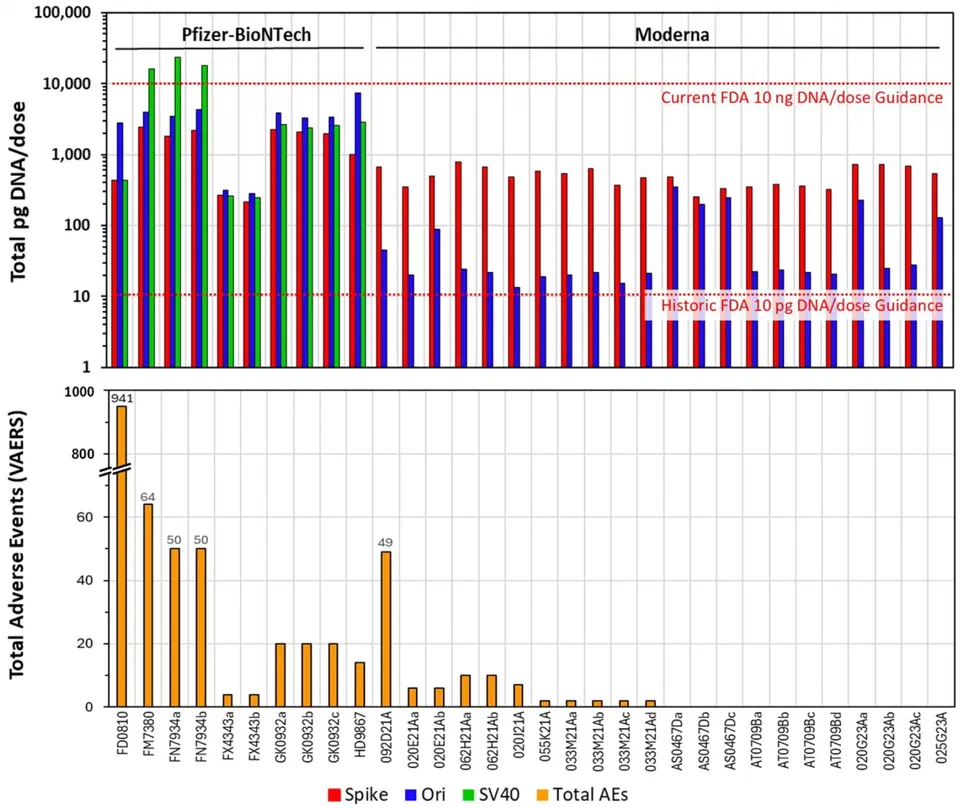
DOI: 10.1080/08916934.2025.2551517, PMID: 40913499
Regulatory Testing Flaw: The Wrong Target
Regulators claim to test for DNA contamination, but their assays may be measuring the wrong thing entirely. Kevin McKernan identified a critical flaw in TGA's (Therapeutic Goods Administration, Australia) testing methodology:
"TGA claims Process 1 amplified Spike but their DNA contamination assay doesn't look at spike? It looks for KAN which isn't amplified.
HIDE THE BALL." Kevin McKernan, Forensic sequencing analysis
The Crux of the Problem
This is not merely a targeting error; it's a structural flaw designed to underestimate risk:
"This is the crux of the problem. The spike region can't be destroyed by DNase I. The KAN region can be destroyed. Pharma only measures KAN. Another game of Hide The Ball." Kevin McKernan
100-fold discrepancy: every single time. Fluorometry sees the real DNA load. KAN qPCR sees almost nothing.
Why This Matters
During in-vitro transcription (IVT), mRNA and DNA templates form RNA:DNA hybrids: these are resistant to DNase I digestion, the standard cleanup step in manufacturing. The Spike-encoding region, being part of the transcribed sequence, is protected in these hybrids. The Kanamycin resistance (KAN) region, outside the transcribed area, remains exposed and gets destroyed by DNase.
Figure: Kevin McKernan's diagram illustrating the DNase protection flaw. Regulatory qPCR assays target KAN (destroyed) instead of Spike (protected), systematically underestimating actual DNA contamination levels.
The flaw: By designing qPCR assays that target KAN (the destroyed region) instead of Spike (the protected region), regulators are measuring the DNA that was successfully removed rather than the DNA that survives purification.
Manufacturer Confirmation: BioNTech's Own Data
What makes this mechanism particularly damning is that it's not independent speculation; it's the manufacturer's own direct measurement.
Lenk et al. (BioNTech research team, 2024) explicitly quantified this DNase I failure in their analysis of in-vitro transcription byproducts:
"The specific activity of DNase I for RNA:DNA hybrids, however, is at least 100-fold below that for dsDNA (Sutton et al., 1997)."
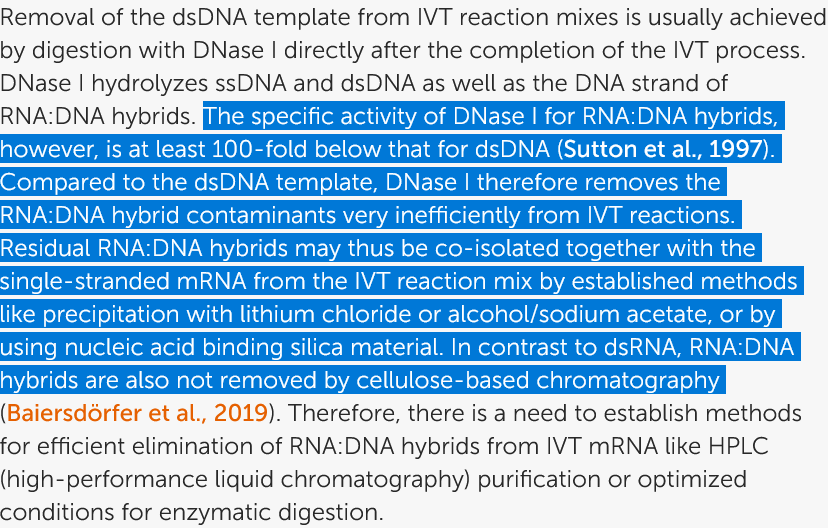
Figure: Manufacturer admits the enzyme can't do the job. Lenk et al., BioNTech 2024.
Why This Changes Everything
This is not third-party validation. This is not independent laboratory speculation. This is BioNTech's own research team documenting the exact mechanism that enables DNA contamination to persist in their products.
The manufacturer knew:
- RNA:DNA hybrids form during IVT
- These hybrids resist standard DNase I digestion
- The protection effect is "at least 100-fold"
- Alternative enzymes (like DNaseI-XT) are required for effective degradation
Yet this purification method was implemented anyway, with regulatory assays designed to measure only the DNA that gets destroyed while the protected Spike-encoding DNA survives undetected.
DOI: 10.3389/fmolb.2024.1426129
The Forensic Smoking Gun
Sequencing of Pfizer lot FL8095 reveals the contamination is more dangerous than initially understood:
| Evidence | Finding | Significance |
|---|---|---|
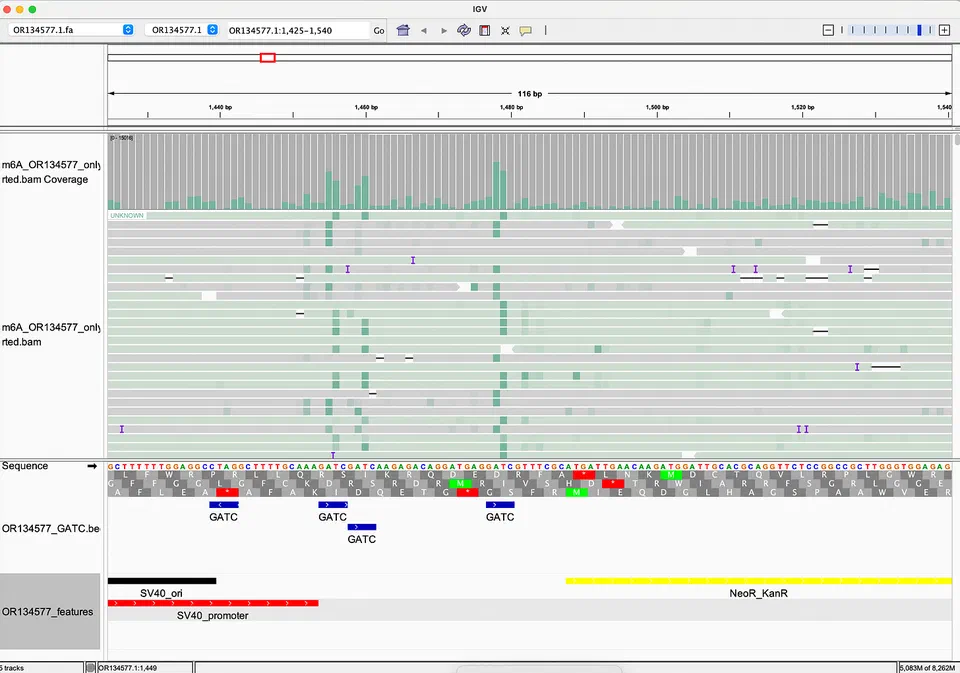
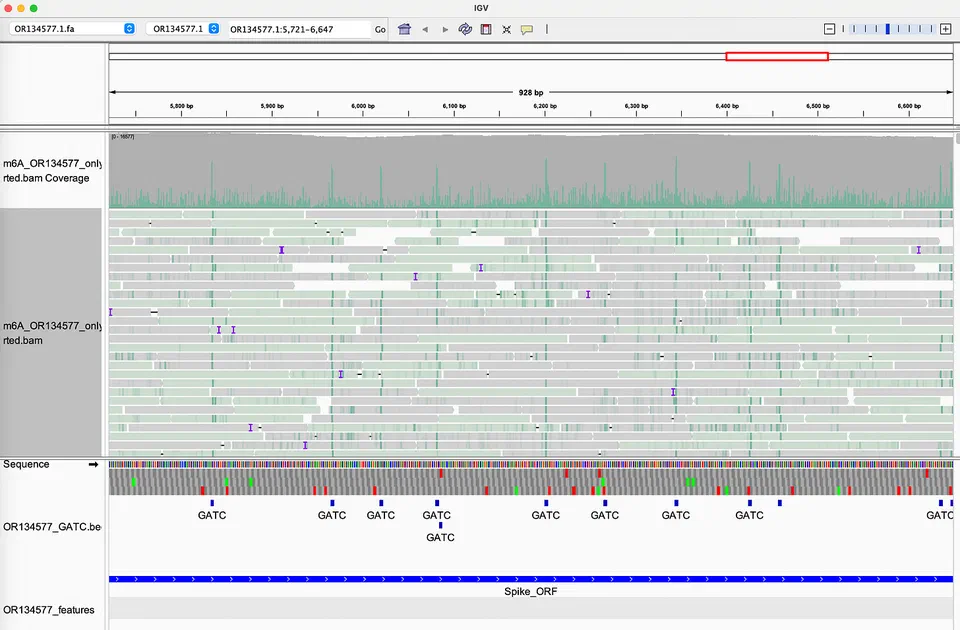
| Bacterial Methylation Signature | N⁶-methyladenine (m⁶A) in GATC motifs | Unmistakable fingerprint of E. coli "Dam" methylase |
| Incomplete Linearization | Plasmid fragments failed proper linearization | Circular plasmid forms may persist |
| "Naked" SV40 Enhancer | SV40 promoter/enhancer region is unmethylated | Fully biologically active |
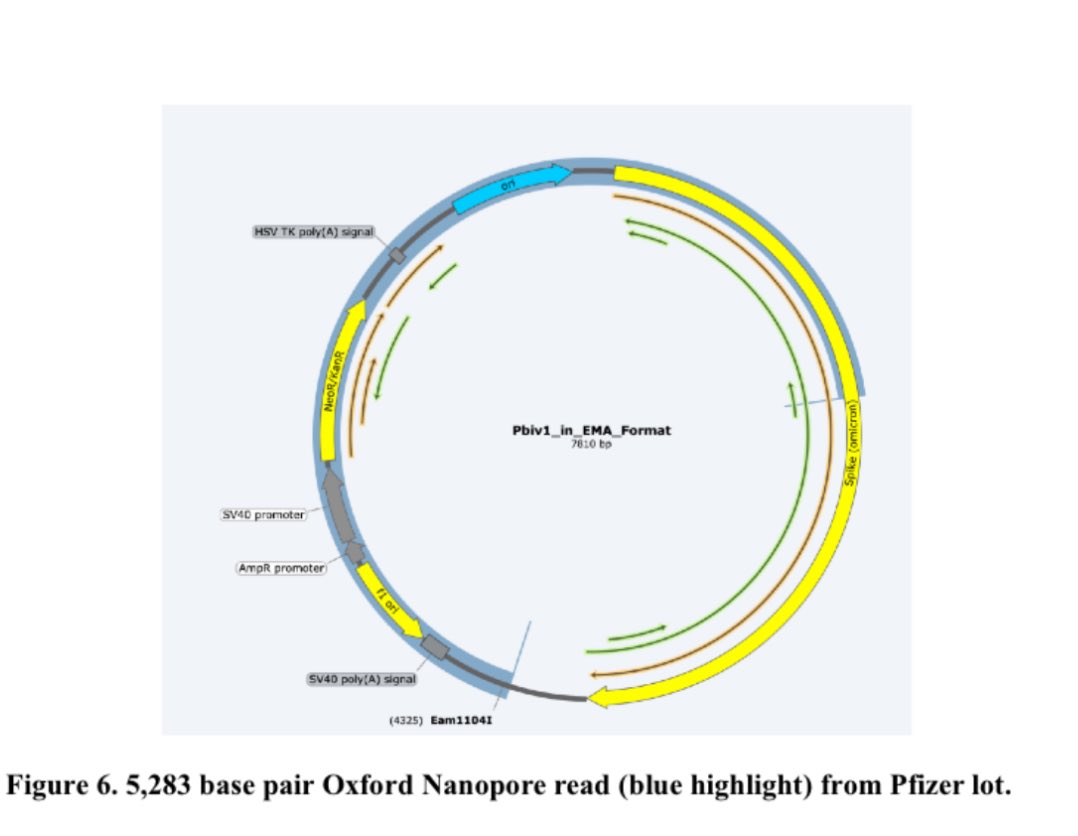
Figure: ~5.3 kb fragments recovered straight from the vials. This isn't "trace"; it's intact enough to do damage.
This demonstrates that the contamination isn't limited to "tiny fragments" but includes functional-length DNA capable of:
- Complete SV40 promoter + Spike ORF expression
- Functional integration via NHEJ or LINE-1
- Episomal persistence in nucleus
The Hidden Risk: Batch Variance and Population Studies
Population safety studies typically treat vaccination as a binary variable: vaccinated vs unvaccinated. This approach obscures critical differences between vaccine lots.
The Speicher 2025 Analysis
A 2025 study in Autoimmunity (Speicher et al., DOI: 10.1080/08916934.2025.2551517, PMID: 40913499) analyzed 27 mRNA vaccine lots and found:
- 815-fold variance in DNA contamination between batches
- Direct correlation: Higher contamination levels correlated with more adverse events
- DNA up to 627-fold above regulatory limits in some lots
- m⁶A methylation patterns confirmed bacterial E. coli origin
Why This Matters
When population studies treat all "vaccinated" individuals as equivalent, they:
- Group contaminated and uncontaminated lots together
- Obscure dose-response relationships
- Allow high-risk batches to hide in aggregated data
- Violate basic toxicology principles
If Lot A has 815x more DNA contamination than Lot B, and higher contamination correlates with more adverse events, then grouping all lots together as "vaccinated" obscures the true risk.
This is not a theoretical concern. Lots with these contamination profiles remain approved with expiry dates extending into 2026.
The Regulatory Crisis: Private Alarm, Public Reassurance
Internal Health Canada emails obtained through investigative work reveal a regulatory crisis concealed from public view:
| Internal Statement | Context |
|---|---|
| "Yes, because Pfizer did not identify the presence of SV40 promoter enhancer" | Pfizer's admission |
| "SV40 must be avoided!" | Clear safety principle violation |
| "Remedy the situation before Fall 2024 vax campaign" | Urgent timeline |
| "They do not seem to care much at this moment" | Frustration with Pfizer |
| "Fragment size is related to the probability of integration" | Direct genotoxicity discussion |
| "References: None" beside "minimal safety risk" claim | Unsubstantiated assurance |
The Manufacturer Knew: Moderna's Patent Warnings
Moderna's own patent literature from years before COVID-19 shows the company understood the problem in plain language. US 10,077,439 B2, "Removal of DNA fragments in mRNA production process" (ModernaTx, priority date March 15, 2013) states, verbatim:
- "residual DNA in drug products may induce activation of the innate response" and "has the potential to be oncogenic in patient populations"
- "Quantitative PCR is often applied to measure the residual DNA," but "it only detects the DNA molecules that contain both qPCR primers" and does not measure "all other smaller DNA molecules that are partially digested"
- "1 U of RNase-free DNase is then used to digest the original template"
The risks were understood, documented, and addressed in process patents years before the pandemic vaccine rollout.
How Harm Could Happen: Multiple Plausible Mechanisms
The combination of persistence and biologically active contamination creates several pathways to harm.
Mechanism 1: Chronic Innate Immune Activation
The m⁶A-methylated bacterial DNA is a potent ligand for innate immune sensors (cGAS-STING and TLR9); these sensors trigger pro-inflammatory cascades (Type I Interferons, NF-κB, IL-6, TNF-α). Because the stabilized mRNA/LNP platform persists, this alarm signal isn't transient; it's chronic.
Consequences: Oxidative stress, mitochondrial damage, impaired DNA repair, immune exhaustion, loss of self-tolerance.
Mechanism 2: Somatic Hypermutation Disruption
A January 2024 preprint reveals an even more concerning mechanism: the SV40 enhancer functions as a somatic hypermutation targeting element, hijacking AID (Activation-Induced Cytidine Deaminase) enzyme. This can redirect antibody diversification, potentially causing impaired immune responses or oncogenic mutations.
DOI: 10.1101/2024.01.09.574829
Mechanism 3: Nuclear Localization and Integration Risk
The SV40 promoter-enhancer functions as a nuclear localization signal (NLS), a molecular "passport" that actively transports DNA into the cell nucleus. Once inside, DNA fragments can integrate into chromosomes via non-homologous end joining, retrotransposon-mediated insertion, or double-strand break repair mechanisms.
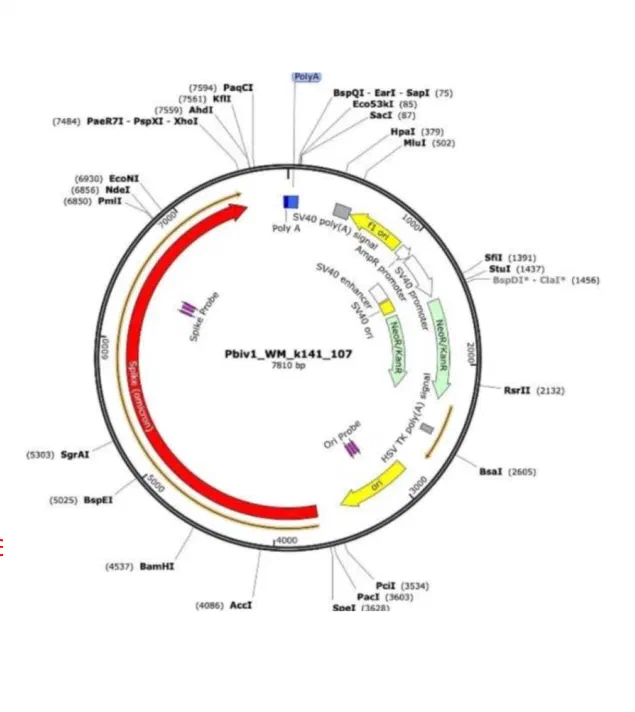
Figure: SV40 nuclear localization signal mechanism. The SV40 promoter contains the NLS sequence PKKKRKV, which binds importin-α and recruits importin-β to transport cargo through nuclear pore complexes into the nucleus.
How SV40 NLS Works:
- The SV40 NLS sequence is PKKKRKV, a classic monopartite nuclear localization signal
- Binds to importin-α adaptor protein, which recruits importin-β
- The importin-β/cargo complex docks at nuclear pore complexes and actively translocates into the nucleus
- This gives contaminating plasmid DNA direct access to chromosomal DNA for potential integration
Precedent: The FDA's Keith Peden established the 10 ng/dose DNA limit specifically to minimize insertional mutagenesis risk. The 627-fold exceedance in some lots represents a catastrophic regulatory failure.
Mechanism 4: Cryptic Promoters in Bacterial Origins
Beyond SV40 sequences, a second promoter threat has emerged from the bacterial origins of replication themselves: one that creates biological activity without any genomic integration required.
Lemp et al. (Nucleic Acids Research, 2012, PMID 22618870) demonstrated that ColE1/pUC origins, exactly the origins used in vaccine plasmids: they contain cryptic mammalian promoters that drive read-through transcription.
Key Findings:
- ColE1/pUC bacterial origins contain cryptic promoter sequences
- These promoters are active in mammalian cells
- They drive transcription of downstream sequences
- No genomic integration required; episomal expression is sufficient
Human Evidence: Ryan et al. RNA-Seq
Ryan et al. performed RNA-Seq analysis on blood from vaccinated individuals and found elevated coverage precisely over the ori region (bp 2890–3478), the exact location where Lemp identified cryptic promoter activity.
This is not theoretical. This is in vivo transcription evidence from vaccinated humans.
The Dual Pathway Problem
We now have two independent promoter systems documented in vaccine plasmids:
| Promoter System | Location | Mechanism | Integration Required? |
|---|---|---|---|
| SV40 enhancer | Viral sequence | Nuclear localization + strong promoter | No (but facilitates it) |
| ColE1 cryptic promoter | Bacterial origin | Read-through transcription | No (episomal) |
Both can drive unintended gene expression from residual plasmid DNA. SV40 actively promotes nuclear entry and integration. ColE1 cryptic promoter works from episomal DNA that persists in the nucleus.
The Persistence Evidence: Spike Stays Longer Than Expected
Foundational Studies
Röltgen et al. (2022) - Stanford Study: Showed mRNA and spike antigen persist in germinal centers of lymph nodes for up to 8 weeks (56 days) post-vaccination.
Patterson et al. (2021): Found S1 sub-units of the spike protein in monocytes for up to 15 months.
Cell: DOI: 10.1016/j.cell.2022.01.018, Frontiers: DOI: 10.3389/fimmu.2021.746021
Epidemiological Signals
Ueda et al. (2024) analyzed age-adjusted cancer mortality in Japan following widespread mRNA vaccination, finding 7,162 excess cancer deaths in 2022 (95% CI: 4,786–9,522) with increases observed after the third mRNA-LNP dose.
Important caveats:
- Temporal association does not prove causation
- Multiple confounders exist (delayed screenings, pandemic stress, healthcare disruption)
- The article has been retracted by the publisher; findings are no longer considered reliable
Bottom line: Any cancer mortality signal requires independent confirmation and 5-10 year lag time for solid tumor detection.
The Perfect Storm: How Everything Converges
When you combine all these factors, a troubling picture emerges:
| System | Component | Impact |
|---|---|---|
| Engineering Persistence Platform | Stabilized mRNA (m1Ψ), Efficient LNP delivery | Prolonged spike production |
| Biologically Active Contamination | Bacterial methylated DNA, Active SV40 promoters | Nuclear entry, integration risk |
| Immune System Interference | Chronic innate activation, SHM disruption | Autoimmunity, impaired immunity |
| Systemic Regulatory Failure | Manufacturing changes without validation, Hidden internal alarms | Transparency gap, lost trust |
The Regulatory Failure: Standards Ignored
EMA ICH Q5B – Standards for biologics typically allow <10 ng/dose of residual DNA and explicitly forbid sequences with known oncogenic activity.
The Transparency Gap
- No public release of Process 1 vs Process 2 comparability data
- Internal regulatory concerns concealed from public view
- Independent lab findings dismissed without GMP-grade replication
- Manufacturer patents showing prior knowledge ignored in risk assessment
Regulatory Divergence
The SV40 contamination created an unprecedented regulatory split:
| Agency | Position | Action |
|---|---|---|
| Florida DOH (Jan 2024) | SV40 potentially oncogenic | Halted mRNA vaccine use, demanded studies |
| FDA (Dec 2023) | Promoter fragment "inactive" | Asserted no oncogenic risk |
| TGA Australia (Dec 2024) | Acknowledged SV40, denied cancer link | Cited lack of epidemiological evidence |
What the Evidence Actually Shows
| Claim | Evidence | Grade |
|---|---|---|
| DNA contamination exceeds regulatory limits | Speicher et al. 2025: Up to 627-fold exceedance, 100% of lots contaminated | High |
| SV40 promoter present in vials | McKernan et al.: Detected across multiple independent laboratories globally | High |
| Bacterial m⁶A methylation confirms E. coli origin | McKernan et al. 2025: N⁶-methyladenine in GATC motifs | High |
| Spike persists months post-vaccination | Röltgen et al. 2022: mRNA and spike detected up to 8 weeks (56 days) in lymph nodes | Moderate-High |
| SV40 enhancer hijacks somatic hypermutation | Šenigl et al. 2024, Tumour Virus Res: SV40 acts as SHM targeting element in vitro | Moderate (mechanistic) |
| Japan excess cancer mortality proves causation | Ueda et al. 2024: Article retracted by publisher | Invalid |
Key Takeaway: DNA contamination is confirmed fact. SV40 biological activity is mechanistically plausible. Population-level clinical impact remains uncertain.
What Both Sides Agree On
Even amidst heated disagreement, there's consensus on several points:
- DNA contamination exists and exceeds limits
- SV40 sequence is present
- More long-term surveillance is needed
- Transparency has been inadequate
Biomarker Tracking: For Those Concerned
If you're experiencing persistent symptoms or are concerned about vaccine exposure, tracking biomarkers over time can provide actionable data.
How to use: Repeat every 8–12 weeks while symptoms evolve. Look for directional trends, not single "perfect" numbers.
| Panel | Biomarker | Why It Helps | Availability |
|---|---|---|---|
| Spike Persistence | Circulating spike protein (LC-MS/MS) | Direct detection of persistent antigen | Research setting |
| Anti-spike antibody ratios | Persistent exposure vs declining immunity | Standard labs | |
| Inflammation | hs-CRP, IL-6, TNF-α | Chronic immune activation burden | Standard labs |
| Autoimmunity | ANA, anti-phospholipid antibodies | Self-attack marker development | Standard labs |
| DNA Damage | γH2AX (phosphorylated histone) | DNA double-strand break marker | Research/specialty |
| 8-OHdG | Oxidative DNA damage marker | Specialty labs | |
| Cellular Health | LDH, ferritin | General cell turnover/inflammation | Standard labs |
| D-dimer, fibrinogen | Coagulation/microclot assessment | Standard labs |
Reality check: Absence of testing does not mean absence of risk. Symptoms and clinical judgment remain important.
Plain Language Summary
mRNA vaccines were a brilliant engineering solution that won a Nobel Prize, but something went wrong between clinical trials and mass production. The vaccine billions received was not the same one tested in trials. It contained bacterial DNA with active viral promoters; contamination that regulatory scientists privately called alarming while publicly dismissing it.
This DNA is not inert. It can trigger chronic immune activation and may interfere with how your body makes antibodies. The spike protein itself persists longer than expected in some people.
Think of it like a car: The engineering triumph is a significant engine that wins awards. The problem is the production version was built differently than the prototype, with unauthorized parts that engineers privately warned about but manufacturers used anyway.
If you're experiencing symptoms: Fatigue that doesn't improve with rest, brain fog, racing heart, new allergies, muscle and joint pain, "flare-ups" triggered by exertion, feeling "wired but tired"; these are real symptoms that deserve real investigation, not dismissal.
Frequently Asked Questions
Should I get boosted if I've had reactions?
That's your decision. But consider: (1) Prior reactions increase risk of future reactions; (2) No data exists on safety for those with existing complications; (3) The burden of proof should be on demonstrating safety, not assuming it.
Can I test for DNA contamination or spike persistence?
LC-MS/MS testing can detect spike protein in research settings. Most clinical labs don't offer this. Antibody ratios and inflammatory markers provide indirect clues. Specialty testing is emerging but not widely available.
What about natural immunity vs vaccination?
Natural infection provides broader mucosal immunity and longer-lasting memory cell responses than mRNA vaccination. Hybrid immunity (infection + vaccination) shows strongest responses in some studies.
Is the SV40 contamination the same as polio vaccine contamination?
Different context, same virus family. SV40 in polio vaccines (1955-1963) was later linked to rare cancers. The mRNA SV40 fragment is a promoter-enhancer sequence, not the whole virus.
Will this give me cancer?
We don't know. Biological mechanisms are plausible (SV40 integration, chronic inflammation), but solid tumor development typically takes 5-10 years. The risk is not zero, but the actual magnitude is unknown.
Related Investigations
For deeper exploration of specific aspects:
SV40 DNA Signals in COVID-19 mRNA Vaccine Vials, Comprehensive analysis of independent laboratory findings
Pfizer Process 1 vs Process 2: What Changed, Investigation into manufacturing changes
DNA Contamination & mRNA Vaccine Biology: Curated Reference Roadmap, Primary sources and regulatory documents
Conclusion: From Triumph to Trap
The emerging picture reveals a perfect storm of intersecting factors.
What we know:
- DNA contamination is real, widespread, and confirmed by global scientific consensus
- The contamination is biologically active with bacterial methylation and functional SV40 promoters
- Internal regulators were alarmed while maintaining public assurances
- Manufacturers documented these risks years before the pandemic
- Multiple biological mechanisms exist for potential harm
What we don't know:
- The full clinical impact of chronic DNA exposure via LNPs
- The population-level effects of somatic hypermutation disruption
- The long-term consequences of persistent spike protein
- Whether early signals represent true causality or confounding
- The integration frequency in human tissues
The burden of proof has decisively shifted. It's no longer sufficient to say "no evidence of harm"; we need robust evidence of safety in light of documented contamination, identified biological mechanisms, and regulatory transparency failures.
The story of mRNA vaccines is evolving from one of pure triumph to a complex case study in how engineering solutions can create unintended biological consequences when combined with quality control failures and regulatory breakdowns.
Key References
Primary Research:
Speicher et al. (2025). Residual DNA and SV40 sequences in mRNA vaccine lots. Autoimmunity. DOI: 10.1080/08916934.2025.2551517, PMID: 40913499
Röltgen et al. (2022). mRNA and spike antigen persistence in lymph nodes. Cell. DOI: 10.1016/j.cell.2022.01.018
Patterson et al. (2021). S1 sub-unit persistence in monocytes. Frontiers in Immunology. DOI: 10.3389/fimmu.2021.746021
Šenigl et al. (2024). SV40 somatic hypermutation mechanism. Tumour Virus Research. DOI: 10.1016/j.tvr.2024.200293, PMID: 39490533 (earlier preprint: bioRxiv DOI: 10.1101/2024.01.09.574829)
Regulatory Documents:
EMA ICH Q5B guideline on residual DNA limits, EMA guideline
Health Canada FOI emails on SV40 contamination, Scoops McGoo reporting
Florida Department of Health guidance (January 2024), Archived PDF
FDA response on SV40 safety (December 2023), Agency PDF
Independent Laboratory Analyses:
McKernan et al. Forensic sequencing of Pfizer lot FL8095. Zenodo. doi:10.5281/zenodo.17281691
McKernan et al. RNA:DNA hybrids in vaccine manufacturing. Journal of Independent Medicine. https://journalofindependentmedicine.org/articles/v02n01a04/
This analysis synthesizes emerging scientific evidence from peer-reviewed studies, regulatory documents, manufacturer patents, and independent laboratory analyses. It is presented for informational and discussion purposes to advance scientific transparency and public understanding. It is not medical advice. Consult healthcare professionals for medical decisions.
Take Action: Active Petitions & Declarations
COVID Justice Resolution
Brownstone Institute-led initiative with over 20,000 signatures demanding Senate resolution repudiating pandemic mandates and condemning bad science. Sign here: https://covidjustice.org/
The HOPE Accord
International physicians and scientists calling for immediate suspension of COVID-19 mRNA products due to excess deaths and disability concerns. Sign as professional or citizen: https://thehopeaccord.org/
WE THE PEOPLE DEMAND A MORATORIUM
Change.org petition demanding immediate moratorium on mass-deployed mRNA products until independent safety review and full data disclosure. Sign here: https://www.change.org/p/we-the-people-demand-a-moratorium-on-mass-deployed-mrna-modrna-gene-therapy-products
The David Declaration
Led by David J. Speicher PhD, calling for moratorium on mRNA technology, return to evidence-based science, and recognition/support for vaccine-injured. Sign here: https://www.courageoustruth.davidspeicher.com/p/the-david-declaration-calls-for-a
Americans for Health Freedom
Dr. Mary Talley Bowden's active advocacy promoting informed consent and opposing mRNA mandates. Take action: https://www.americansforhealthfreedom.org/