Table of Contents
Key Takeaways
- 2025-2026 research adds spike protein to the classic mutagen list: proposed intracellular persistence via mTOR activation and p53 inhibition (Melo 2025).
- Documented persistence numbers: spike in CD16+ monocytes up to 245 days post-vaccination, in cerebral arteries up to 17 months, in gut lymphoid tissue up to 14 months.
- Classic-layer interventions have human RCT backing: chlorophyllin cuts aflatoxin-DNA adducts by 55 percent, broccoli sprouts raise benzene detoxification by 61 percent.
- Persistence as a phenomenon is MODERATE confidence; causality to specific clinical syndromes is not established.
TL;DR
Genomic defense has historically meant neutralising external mutagens (HAAs from charred meat, PAHs from smoke, aflatoxins from mold, N-nitroso compounds from processed meat). 2025-2026 research adds a distinct concern: spike protein may hijack cellular survival pathways (mTOR activation, p53 inhibition) to persist inside cells (Melo et al. 2025, Viruses, PMID 40431629). MECHANISTIC · MODERATE for the pathway proposal.
Documented human persistence numbers: spike detected in CD16+ monocytes up to 245 days post-vaccination (PMID 40358138); spike in cerebral arteries up to 17 months post-vaccination (Ota 2025, PMID 40184822); SARS-CoV-2 RNA in colorectal tissue up to 676 days post-infection (Peluso 2024, PMID 38959327). PP · MODERATE for persistence as a phenomenon; causality to specific clinical syndromes is not established.
What works in the classic mutagen layer: chlorophyllin cuts aflatoxin-DNA adducts by 55% in human RCTs (Egner 2001, PNAS); broccoli sprouts boost benzene detoxification by 61% (Egner 2014, Cancer Prev Res); luteolin outperforms pharmaceutical cromolyn for mast-cell stabilisation in vitro (Tsilioni 2024). PR · MODERATE for these intervention effects in their specific trial contexts.
What can backfire: high-dose beta-carotene increased lung cancer incidence by 18% in male smokers (ATBC, NEJM 1994); high-dose folic acid increased advanced adenoma risk in patients with prior adenomas (Cole 2007, JAMA). PR · HIGH for the negative findings.
Three-layer framework:
- Systemic genomic defense (mutagen detox + autophagy).
- Cardiac protection (troponin monitoring, anti-fibrotic support).
- Mast-cell stabilisation (luteolin, baicalein, quercetin).
Evidence gradient: In vitro -> Case series -> Pilot RCT -> Large RCT / Meta-analysis. Layer 1 has the strongest trial data; Layers 2-3 rely more on mechanistic and observational evidence.
Related reading: The Slow Burn, Spike Protocol, Fasting & Autophagy, Baicalin, Amyloid Fibrin Microclots.
Part 1: The classic mutagen assault
The genome takes daily chemical fire. HAAs from high-heat meat, PAHs from grilled food and exhaust, aflatoxins from moldy nuts and grains, N-nitroso compounds from processed meats: these form covalent bonds with DNA. Adducts become permanent mutations if unrepaired. The path from adduct to adenoma to carcinoma is well-trodden.
Cells fight back with layered defenses. Phase I detox (CYP450) activates mutagens, sometimes making them more toxic. Phase II detox (GST, NQO1, UGT) conjugates them for excretion, which is where broccoli sprouts work. DNA repair systems (BER, NER, MMR) fix damage before it becomes permanent. Autophagy handles cleanup, clearing damaged proteins, organelles, and persistent pathogens.
When mutagen load exceeds detox capacity, or when defense pathways get inhibited, damage accumulates silently. ESTABLISHED · HIGH for the classic adduct-to-carcinoma pathway.
Part 2: What actually works (and what does not)
Skipping the theory and looking at what human trials show.
Chlorophyllin
Chlorophyllin binds aflatoxin in the gut, preventing absorption and enhancing fecal excretion. A double-blind RCT in 180 Chinese adults found 55% reduction in urinary aflatoxin-N7-guanine adducts versus placebo (Egner PA, PNAS 2001, PMID 11724948). Dosing in the trial was 100 mg three times daily with meals.
PR · MODERATE. This matters most in aflatoxin-endemic regions and for people with high corn or peanut consumption.
Broccoli sprouts
Sulforaphane from broccoli sprouts activates Nrf2, the master regulator of Phase II detox enzymes, upregulating GST and NQO1. A randomised trial of 291 adults in China found 61% increased excretion of benzene mercapturic acid versus placebo (Egner PA, Cancer Prev Res 2014, PMID 24913818). PR · MODERATE.
Practical tip: chop raw broccoli sprouts and wait 10 minutes before eating. This maximises myrosinase activation, converting glucoraphanin to sulforaphane.
Curcumin
Multiple RCTs show curcumin supplementation reduces oxidative DNA damage markers (8-OHdG) and lipid peroxides through ROS scavenging, NF-kB modulation, and COX-2 inhibition. Bioavailability is notoriously poor; use formulations with piperine (black pepper extract) or liposomal delivery. Typical dosing runs 1-4 g daily of enhanced-bioavailability curcumin.
PR · LOW-MODERATE for the oxidative-marker reduction claim.
When antioxidants backfire (counter-evidence)
The ATBC trial found 18% increased lung cancer incidence and 8% increased total mortality in male smokers taking beta-carotene supplements (NEJM 1994, PMID 8127329). In the high-oxidative-stress environment of a smoker's lungs, beta-carotene becomes oxidised and acts as a pro-oxidant. Food sources of carotenoids are safe; megadoses in high-risk groups can be harmful. PR · HIGH for the negative finding.
Folic acid tells a similar story. A randomised trial found folic acid supplementation (1 mg daily) in patients with prior adenomas resulted in higher risk of advanced adenomas (RR 1.67) (Cole BF, JAMA 2007, PMID 17551129). Excess folate may feed pre-existing lesions. PR · MODERATE for the negative finding.
The SELECT trial found no cancer benefit from vitamin E megadoses (JAMA 2008, PMID 19066370), with a possible prostate-cancer signal.
Evidence summary
| Intervention | Claim | Evidence | Result | Grade | Action |
|---|---|---|---|---|---|
| Chlorophyllin | Lowers aflatoxin-DNA adducts | RCT n=180 | 55% reduction | Moderate | Consider in endemic settings |
| Broccoli sprouts | Increases benzene detox | RCT n=291 | 61% increase | Moderate | Regular intake aids detox |
| Curcumin | Reduces oxidative DNA damage | Multiple RCTs | Reduced 8-OHdG | Mod-High | Use piperine / liposomal forms |
| Beta-carotene | Reduces genomic damage | RCT n=29,133 smokers | 18% increased lung cancer | High (negative) | Avoid in smokers / asbestos workers |
| Folic acid | Prevents colorectal neoplasia | RCT n=1,021 adenoma | Higher adenoma risk | Moderate (negative) | Use cautiously, monitor |
| Vitamin E | Prevents cancer | RCT n=35,533 men | No benefit, possible harm | Moderate (negative) | Avoid without indication |
The pattern: targeted phytonutrients lower toxicant biomarkers in high-exposure settings. Blanket antioxidant megadoses can increase risk. Context matters.
Part 3: The 2025-2026 spike-persistence layer
One of the critical questions in spike persistence: why do cells continue producing spike protein for months when they should have been cleared?
Melo et al. 2025 propose that SARS-CoV-2 spike protein activates mTOR while simultaneously inhibiting p53 (Viruses, PMID 40431629). mTOR activation promotes cell growth and metabolic reprogramming. p53 inhibition blocks apoptosis and DNA-damage responses. The net result: cells that should die continue to survive and produce spike protein. MECHANISTIC · MODERATE.
Supporting 2025-2026 evidence:
- Human detection study. Spike detected in CD16+ monocytes up to 245 days post-vaccination in individuals with post-vaccination syndrome (PMID 40358138). PP · LOW-MODERATE (small cohort, post-vaccination-syndrome-selected).
- TENT5A poly(A) polymerase. TENT5A adds up to 200 nucleotides to mRNA 3' ends (re-adenylation), enhancing vaccine mRNA stability particularly in monocyte-macrophage cells (Nature 2025, DOI 10.1038/s41586-025-08842-1). MECHANISTIC · MODERATE. This is a plausible molecular mechanism for prolonged spike production.
- Isidoro et al. 2025. Non-genotoxic pro-carcinogenic effects of spike protein via EGFR / mTOR pathway activation (Cancers, DOI 10.3390/cancers17233867). MECHANISTIC · LOW-MODERATE.
- Zhai et al. 2025. Spike disrupts insulin signaling via ACE2 / TLR4 / ER axes, creating metabolic dysfunction linked to impaired DNA repair (MedComm, PMID 41190280). MECHANISTIC · LOW-MODERATE.
- Ota et al. 2025. Spike in cerebral arteries of haemorrhagic stroke patients up to 17 months post-vaccination (J Clin Neurosci, PMID 40184822). AUTOPSY · MODERATE.
Why this matters for genomic integrity
p53 is called the "guardian of the genome" because it pauses cell cycle to allow repair, activates DNA repair genes, and triggers apoptosis to eliminate cells with irreparable damage. When spike protein inhibits p53 while activating mTOR, cells with DNA damage survive when they should die. This creates a permissive environment for mutation accumulation.
MECHANISTIC · LOW-MODERATE for the integrative claim. Population-level cancer-risk data are still pending; the pathway exists, the epidemiology does not yet.
HIV reservoir data as a sentinel
Studies in people living with HIV provide a sentinel system. Matveev et al. (iScience 2023) studied 68 older PLWH receiving COVID-19 vaccination and found increased intact HIV-1 reservoir size in 3 patients with incomplete viral suppression. Duncan et al. (AIDS 2024) studied 62 PLWH with full viral suppression on ART and found no significant changes in HIV viremia or reservoir size post-vaccination.
The contrast is informative: spike protein can activate mTOR sufficiently to affect latent reservoirs in the context of incomplete immune control, but effects are context-dependent.
Part 4: Autophagy, the cleanup system
Autophagy is the cellular process where cells encapsulate damaged components or pathogens in double-membrane vesicles that fuse with lysosomes for degradation. It defends the genome through direct degradation of ubiquitinated proteins, clearance of damaged organelles (especially mitochondria), protein quality control, and immune modulation.
The problem: some viruses block autophagosome-lysosome fusion and use autophagic structures for replication. Restoring autophagic flux, not just inducing it, is critical.
Natural autophagy activators
- Spermidine (aged cheese, wheat germ, soy products, mushrooms): induces autophagy by inhibiting acetyltransferase EP300. Extends lifespan in animal models; associated with reduced cardiovascular mortality and cognitive decline in human observational data. Dosing 1-3 mg daily. AN + PP · LOW-MODERATE.
- Resveratrol (red grapes, berries, peanuts): activates SIRT1 and induces autophagy via AMPK activation and mTOR inhibition. Dosing 150-500 mg daily; watch for CYP450 drug interactions.
- Quercetin (onions, apples, berries, capers): activates autophagy via TFEB nuclear translocation. Dosing 500-1000 mg daily; avoid with kidney disease or blood thinners.
- EGCG from green tea: activates AMPK / mTOR axis and inhibits SARS-CoV-2 main protease in vitro. Dosing 400-800 mg EGCG daily.
- Curcumin: induces autophagy through mTOR inhibition and AMPK activation. Dosing 1-4 g daily of enhanced-bioavailability forms.
- Fasting: activates AMPK and inhibits mTOR through nutrient deprivation. Strong animal data for genomic stability; human trials ongoing. Protocol: 14-16 hour daily window or 5-day fast-mimicking diet monthly.
Rapamycin
Rapamycin (sirolimus) forms a complex with FKBP12 to inhibit mTORC1, promotes autophagy by relieving ULK1 inhibition, suppresses protein synthesis, and enhances stem-like CD8+ T-cells while reducing exhaustion. Preclinical studies show rapamycin restricts SARS-CoV-2 replication in cell culture; kidney-transplant patients on rapamycin showed reduced COVID-19 severity and lower incidence of pulmonary fibrosis.
Safety: can cause mouth sores, hyperglycemia, and immunosuppression. Prescription-only. PR + AN · MODERATE for the clinical observational data.
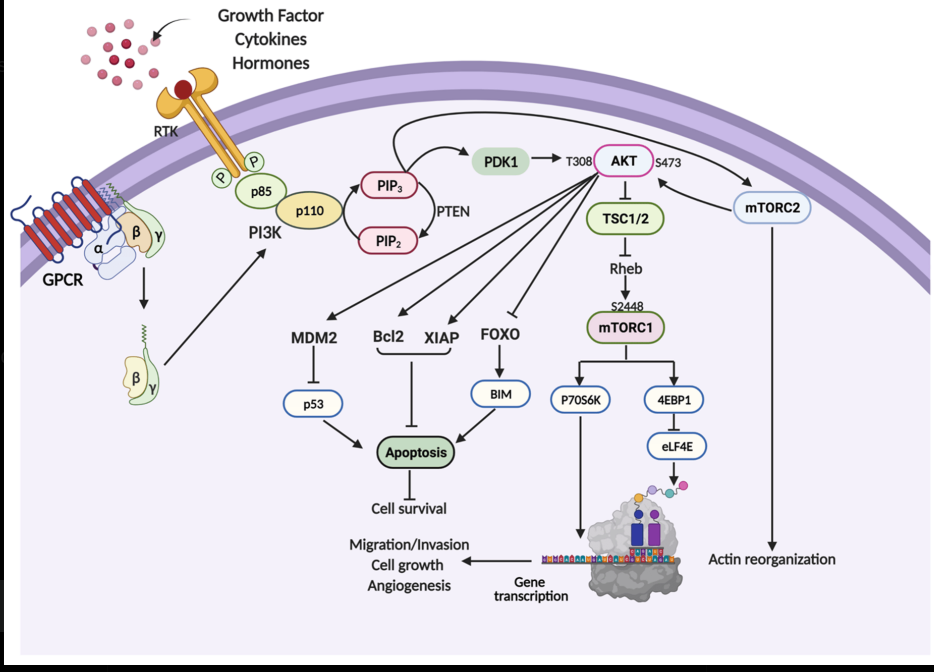
The mTOR pathway integrates signals from nutrients, growth factors, and energy status to regulate cell growth and autophagy. Spike protein is proposed to hijack this pathway for persistence.
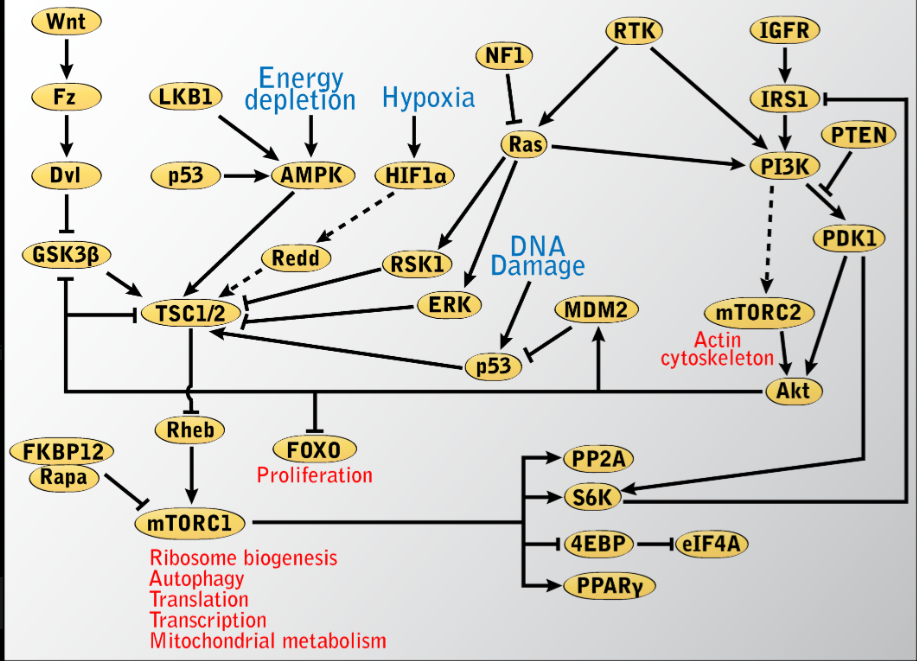
The PI3K-AKT-mTOR axis is hyperactive in many cancers and is hijacked by some viruses. Targeting this pathway may have dual benefits in spike persistence and cancer-prevention research.
Part 4.5: Integration-independent expression - the cryptic promoter question
Beyond genomic-integration risks, a second concern has been raised about bacterial origins of replication in vaccine plasmids: cryptic mammalian promoter activity that creates biological activity without genomic integration.
Lemp et al. 2012
Lemp et al. demonstrated that ColE1 / pUC origins - exactly the bacterial origins used in vaccine plasmids - contain cryptic mammalian promoters that drive read-through transcription (Nucleic Acids Research 2012, PMID 22618870, DOI 10.1093/nar/gks451). AN · MODERATE for the molecular-biology finding itself. Key results:
- ColE1 / pUC bacterial origins contain cryptic promoter sequences.
- These promoters are active in mammalian cells.
- They drive transcription of downstream sequences.
- No genomic integration required; episomal expression is sufficient.
Human RNA-Seq signal
Ryan et al. performed RNA-Seq analysis on blood from vaccinated individuals and reported elevated coverage over the ori region (bp 2890-3478) - the location where Lemp identified cryptic promoter activity. This finding was circulated via investigator commentary (McKernan Substack, December 2024) but is not yet independently peer-reviewed. CM · LOW. The signal is hypothesis-generating; replication in independent labs is needed.
Why this matters for genomic defense
| Promoter system | Location | Mechanism | Integration required? |
|---|---|---|---|
| SV40 enhancer | Viral sequence | Nuclear localisation + strong promoter | No (but facilitates integration) |
| ColE1 cryptic promoter | Bacterial origin | Read-through transcription | No (episomal) |
Both can in principle drive unintended gene expression from residual plasmid DNA. MECHANISTIC · LOW-MODERATE for the dual-pathway model. Clinical significance in vaccinated humans is not established.
Regulatory gap
Current regulatory assessments assume that without integration, residual DNA is inert. The cryptic-promoter data challenge that assumption at the molecular level. Whether the resulting expression is clinically meaningful is a separate question that has not been answered.
Source: Lemp et al. 2012 (PMID 22618870). Ryan et al. RNA-Seq analysis: investigator commentary (McKernan Substack, December 2024), not peer-reviewed.
Part 5: Biomarker tracking
Tracking biomarkers over time provides a window into mutagen exposure, genomic damage, detox capacity, and autophagic activity. Repeat every 8-12 weeks while symptoms evolve or during intervention protocols. Look for directional trends, not single numbers.
Many biomarkers below are research-grade or available only through specialty labs. Absence of testing does not mean absence of risk; trends and symptoms still matter clinically.
| Panel | Biomarker | Why it helps |
|---|---|---|
| Mutagen exposure | Urinary aflatoxin-N7-guanine adducts | Direct aflatoxin-DNA damage measure |
| Urinary 1-hydroxypyrene | PAH exposure biomarker | |
| HAA metabolites | Cooked-meat mutagen exposure | |
| Detox capacity | GST activity | Phase II detox functional capacity |
| NQO1 activity | Quinone detox capacity | |
| DNA damage | 8-OHdG | Oxidative DNA damage marker |
| gamma-H2AX | DNA double-strand break marker | |
| 53BP1 foci | DNA damage response activation | |
| Comet assay | Overall DNA strand break assessment | |
| Methylation | Plasma homocysteine | Global methylation status proxy |
| SAM / SAH ratio | Methylation cycle function | |
| Oxidative stress | F2-isoprostanes | Lipid peroxidation marker |
| MDA | Oxidative stress marker | |
| Inflammation | hs-CRP, IL-6, TNF-alpha | Systemic inflammatory load |
| Autophagy | LC3-II / I ratio | Autophagosome formation |
| p62 / SQSTM1 degradation | Autophagic flux | |
| Spike persistence | Circulating spike (LC-MS/MS) | Direct spike detection |
| Anti-spike antibody ratios | Persistent antigen exposure |
Clinical decisions belong with the clinician; this is informational context only.
Part 6: Protocol summary
Evidence-based strategies for genomic defense.
| Strategy | Evidence level | Best for | Avoid in | Dosing |
|---|---|---|---|---|
| Chlorophyllin | Moderate | Aflatoxin-endemic; high grilled-meat intake | Untested populations | 100 mg TID |
| Broccoli sprouts | Moderate | Air pollution; high PAH / HAA | Thyroid disorders | ~600 micromol sulforaphane |
| Turmeric / curcumin | Moderate | Inflammatory states | Anticoagulants, surgery | 1-4 g/d |
| Spermidine | Low-Mod (emerging) | Post-viral; CV risk | Pregnancy, epilepsy | 1-3 mg/d |
| Resveratrol | Low-Mod | Metabolic dysfunction | CYP450 drug interactions | 150-500 mg/d |
| Quercetin | Low-Mod | Viral infections | Kidney disease; blood thinners | 500-1000 mg/d |
| EGCG | Low-Mod | General antioxidant | Anemia, iron deficiency | 400-800 mg EGCG |
| Fasting / TRF | Moderate | Metabolic health; genomic stability | Pregnancy, EDs, diabetes | 14-16 hr daily or 5-day FMD |
| Rapamycin | Moderate (COVID data) | Transplant; research | Unmonitored; active infections | Prescription-only |
| AVOID high-dose beta-carotene | High (negative) | - | Smokers, asbestos workers | - |
| CAUTION high-dose folic acid | Moderate (negative) | - | Advanced adenoma | Monitor levels |
Practical implementation
Food-first baseline. Cruciferous vegetables (1-2 cups daily, chopped and rested 10 min before cooking), allium vegetables daily, berries (1 cup), green tea (2-3 cups), spices (turmeric with black pepper, rosemary, ginger).
Cooking methods. Marinate meats with rosemary, garlic, lemon juice (reduces HAA formation substantially); avoid charring; use moist heat (poaching, steaming, stewing) which produces fewer mutagens.
Tier 1 - Core defense (most adults): curcumin with piperine or liposomal 500-1000 mg daily, broccoli sprout extract 400-600 micromol, green tea extract 400 mg.
Tier 2 - Enhanced detox (high mutagen exposure): chlorophyllin 100 mg TID, quercetin 500 mg, resveratrol 200-500 mg.
Tier 3 - Autophagy support (post-viral, spike persistence): spermidine 1-3 mg, 14-16 hour daily fasting window OR 5-day fast-mimicking diet monthly, consider low-dose rapamycin under clinician.
Work with a clinician familiar with these protocols, especially with existing conditions or medications. Monitor biomarkers before and during.
Part 7: Cardiac-specific considerations
2024-2025 research documents cardiac-specific manifestations of spike protein persistence that warrant targeted monitoring.
Subclinical myopericarditis
McCullough et al. 2025 review persistent spike protein accumulation in cardiac tissue, subclinical inflammation, micro-scarring detectable by cardiac MRI with late gadolinium enhancement, and presentations that may include cardiac arrest with no premonitory symptoms (Med Reconcil Appl 2025). PP + SR · LOW-MODERATE (review, mixed evidence base).
Histopathologic spectrum on endomyocardial biopsy and autopsy
A Japanese multicenter series (Circulation Journal, PMID 39496392) examined 40 patients with clinically diagnosed post-mRNA myocarditis who underwent endomyocardial biopsy or autopsy. 47.5% had mild lymphocytic infiltration with interstitial edema but without cardiomyocyte injury; 52.5% had cardiomyocyte injury (lymphocytic, eosinophilic, or mixed). Cardiomyocyte injury was strongly linked to clinical severity: 71% of the injury group developed fulminant myocarditis versus 0% in the no-injury group (Circulation Journal 2024, PMID 39496392). PP · MODERATE. This is the strongest histopathological evidence that the injury spectrum is bimodal: many cases show inflammation without myocyte damage, but when myocyte damage is present, fulminant courses cluster.
Autopsy series in fatal cases
Hulscher, McCullough and colleagues conducted a systematic review of autopsy findings in 28 cases of fatal COVID-19 vaccine-induced myocarditis (ESC Heart Failure 2024, PMID 38221509). Cardiovascular findings predominated; temporal association was a median of roughly 3-6 days post-vaccination; causality was assessed as likely or confirmed in the reviewed cases. PP + SR · LOW-MODERATE (selection bias inherent to fatal-case ascertainment). Note: a broader systematic review by the same group covering deaths after COVID-19 vaccination generally was withdrawn at the request of the Editors-in-Chief of the Journal of Clinical Medicine; the myocarditis-specific paper above remains available on PubMed.
Important counter-evidence on troponin screening
Albertson et al. 2024 (PMID 38489117, Infect Dis Ther; a Pfizer-sponsored prospective study) measured serum troponin I in thousands of participants aged 5-30 years before and after BNT162b2 vaccination, with a placebo comparator. Elevated troponin was uncommon (at or below 1.0%) and occurred at similar rates before vaccination, 4 days post-dose, and 1 month later. Findings were comparable between vaccine and placebo recipients, with no cases of myocarditis or pericarditis reported. The authors concluded there was no evidence that BNT162b2 causes troponin elevations indicative of subclinical myocardial injury. PR · MODERATE.
A subsequent Letter to the Editor (Pourmir et al. 2025, PMID 40193006) critiqued the methodology and interpretation. CM · LOW.
This counter-evidence matters: this was a study specifically designed to look for subclinical signal and found none. Routine troponin screening in asymptomatic vaccinated individuals is not endorsed by this study. Selected symptomatic cohorts may warrant monitoring based on other data (Barmada, Warren, Buergin etc.), but extrapolating from clinically diagnosed myocarditis cases to asymptomatic populations is not supported by Albertson.
A second large troponin study, Pfeiffer et al. (Moderna-sponsored phase 4 RCT, Open Forum Infectious Diseases 2026, DOI 10.1093/ofid/ofag139) used a randomised, placebo-controlled, observer-blind, crossover design in roughly 1,000 healthy participants aged 12-30 years at 24 US sites, comparing mRNA-1273.712 50 microgram versus placebo 28 days apart. cTnI elevations were infrequent (about 1.8% had any elevation), similar after vaccine versus placebo, often linked to physical activity, and occurred without myocarditis or pericarditis symptoms or diagnoses. Funding disclosure: Moderna-sponsored. PR · MODERATE (industry-funded; placebo-controlled design is robust, but sponsorship is a known source of bias in adverse-event reporting and should be weighed accordingly).
| Biomarker | Why it matters | Key references |
|---|---|---|
| Troponin I | Marker of myocardial injury; Albertson 2024 (Pfizer-sponsored, placebo-controlled, n = thousands) found no subclinical elevation signal. Pfeiffer 2026 (Moderna-sponsored phase 4 RCT, n ~ 1,000) reproduced the null finding. Symptomatic cohorts may differ. | Albertson 2024 (PMID 38489117); Pfeiffer 2026 (DOI 10.1093/ofid/ofag139); Pourmir et al. 2025 letter (PMID 40193006) |
| ECG parameters | Conduction changes documented in adolescents post-vaccination | Chiu 2023 (PMID 36602621) |
| Cardiac MRI with LGE | Detects scarring not visible on other modalities | Warren 2025 (Open Heart) |
| Anti-spike antibody titers | Indicates persistent antigen exposure | Kusunoki 2023 |
Profibrotic myeloid response
Barmada et al. 2023 in Sci Immunol described "cytokinopathy with aberrant cytotoxic lymphocytes and profibrotic myeloid response" in SARS-CoV-2 mRNA vaccine-associated myocarditis (DOI 10.1126/sciimmunol.adh3455). PR · MODERATE. Fibrosis creates permanent tissue remodeling that autophagy alone cannot reverse.
Risk stratification
- Buergin et al. 2023 (Eur J Heart Fail): young males (especially 18-25 years) at highest risk for vaccine-associated myopericarditis.
- Krug et al. 2022 (Eur J Clin Invest): risk-benefit analysis suggested risks exceeded benefits for some demographics in some windows.
- Cavalli et al. 2025 (NPJ Vaccines): GWAS identified HLA haplotypes associated with myocarditis / pericarditis following COVID-19 vaccination.
Cardiac mitigation (investigational)
- Colchicine (Valore et al. 2023, Front Cardiovasc Med): case report of successful mRNA-1270 vaccine-associated myopericarditis treatment. Inhibits microtubule polymerisation.
- Rapamycin case study (Hulscher et al. 2024): resolution of refractory COVID-19 vaccine-induced myopericarditis with adjunctive rapamycin. First documented human case supporting mTOR inhibition for persistent spike-related cardiac injury.
- Nattokinase + bromelain + curcumin (McCullough et al. 2023): proposed combination. Nattokinase is fibrinolytic; bromelain is proteolytic; curcumin is anti-fibrotic.
Related: Spike-Related Injury Support for enzymatic fibrinolytics, The Slow Burn, Fasting & Autophagy, Amyloid Fibrin Microclots for the fibrinaloid mechanism.
Mid- to long-term outcomes and imaging follow-up
Longitudinal cohort data is now accumulating and shows a mixed picture: clinical symptoms usually resolve, but imaging abnormalities persist in a meaningful fraction.
- MACiV multicenter study (US, eClinicalMedicine / Lancet 2024, PMID 39290640). Roughly 300 young patients with vaccine-associated myocarditis. LGE present in 82% at baseline and persisted in 60% at a median follow-up of about 178 days. No cardiac deaths or transplants were reported; mid-term clinical outcomes were favourable, but the imaging persistence warrants surveillance. PP · MODERATE.
- Norwegian nationwide long-term follow-up (Open Heart 2026, PMID 42082376). At a mean of roughly 2 years post-vaccine myocarditis, mostly normal cardiac function, biomarkers, ECG, and arrhythmia burden versus controls. Higher rate of discrete LGE (43% vs 22%) and slightly worse global longitudinal strain, but clinical significance is uncertain. PP · MODERATE.
The pattern across these cohorts: clinical recovery is the norm, gross cardiac function is preserved, but focal LGE persistence on CMR is common (60-82% at months of follow-up). Whether this represents subclinical fibrosis with late clinical consequence or a radiological finding without functional impact is unresolved and is the principal open question for long-term surveillance.
Clinical decisions belong with a cardiologist.
Part 8: Mast-cell stabilisation
2024-2025 research documents mast-cell activation as a parallel inflammatory pathway in some post-vaccination and Long COVID presentations.
The mast-cell / spike connection
Spike protein activates mast cells via MRGPRX2 receptor engagement, Fc-epsilon-RI receptor cross-linking, and TLR4 pathway activation. Mast-cell mediators drive symptoms in some patients: histamine (flushing, headaches, tachycardia), tryptase (tissue remodeling, fibrosis), MMP-9 (blood-brain barrier disruption), VEGF (vascular permeability), IL-6 / TNF-alpha (systemic inflammation). Mast cells reside at blood-brain barrier, gut epithelium, cardiovascular system, and skin. MECHANISTIC + PP · LOW-MODERATE.
Luteolin versus cromolyn
Tsiloni et al. 2024 ("Luteolin Is More Potent than Cromolyn in Their Ability to Inhibit Mediator Release from Cultured Human Mast Cells") reported that luteolin was significantly more potent than cromolyn at inhibiting histamine, tryptase, MMP-9, and VEGF release from cultured human mast cells, effective against both allergic and non-allergic stimulation (Int Arch Allergy Immunol 2024). AN · MODERATE for the in vitro comparison.
Dosing: 100-200 mg daily (liposomal preferred for bioavailability). Cromolyn is prescription with poor systemic absorption; luteolin offers better bioavailability.
Baicalein: anti-spike plus mast-cell stabilisation
Baicalein shows dual mechanisms in preclinical work: direct anti-spike activity via 3CL protease inhibition and spike-protein interaction modulation, plus mast-cell stabilisation via inhibition of IgE-mediated mediator release (PMC 2024). AN + MECHANISTIC · LOW-MODERATE.
See the Baicalin article for Nrf2 / ARE activation, AMPK stimulation, mTOR inhibition, and Drp1-mediated mitochondrial dynamics. Dosing: 200-600 mg daily of standardised Scutellaria baicalensis extract. The aglycone baicalein is more bioavailable than the glucuronide baicalin for systemic effects.
Supporting stabilisers
| Compound | Evidence | Mechanism | Dosing |
|---|---|---|---|
| Quercetin | Multiple RCTs | Mast stabilisation + zinc ionophore + autophagy | 500-1000 mg |
| Apigenin | Viruses 2021 | Complementary flavonoid | 50-200 mg |
| Fisetin | MCAS literature | Stabiliser + senolytic | 100-500 mg |
| Vitamin C | MCAS protocols | Recycles flavonoids | 500-2000 mg |
| H1 / H2 blockers | Long COVID protocols | Cetirizine + famotidine combo | OTC dosing |
Practical protocol
Tier 1 - Core: luteolin (liposomal) 100-200 mg, quercetin 500 mg with vitamin C, vitamin C 1000 mg.
Tier 2 - Enhanced: add baicalein 200-400 mg.
Tier 3 - Senolytic: add fisetin 100-500 mg; consider fasting protocols for natural senolytic effect.
Drug interactions: flavonoids interact with CYP450 enzymes. Work with a clinician if on medications. Discontinue before surgery.
Part 9: Integrated defense
Three-layer framework.
- Layer 1 (Systemic): classic mutagen detox, autophagy activation, mTOR modulation.
- Layer 2 (Cardiac): diagnostic monitoring in symptomatic individuals, anti-fibrotic support, proteolytic clearance, rapamycin proof-of-concept (case report only).
- Layer 3 (Mast cell): luteolin (more potent than cromolyn in vitro), baicalein (anti-spike + stabilisation in preclinical models), quercetin / fisetin / vitamin C synergy.
Stratified summary
| Risk level | Cardiac | Mast cell | Autophagy | Considerations |
|---|---|---|---|---|
| Low (no symptoms, vaccinated) | Annual ECG | Food-first | 14:10 TRE | Avoid beta-carotene if smoker |
| Moderate (mild post-viral) | Troponin if symptomatic | Luteolin 100 + Q 500 | 16:8 + spermidine | Consider MRI if persistent |
| High (PCVS, Long COVID) | Full workup + antibodies | Full protocol | 5-day FMD quarterly | Work with clinician; rapamycin case exists |
| Very High (diagnosed) | Cardiology + serial troponin | MC + anti-fibrotic | Rapamycin specialist only | Multidisciplinary care |
Evidence hierarchy
- High confidence (RCTs / strong mechanistic): chlorophyllin 55% reduction; broccoli sprouts 61% increase; luteolin more potent than cromolyn in vitro; autophagy via fasting; ATBC and SELECT negative findings.
- Moderate (small RCTs, case series, mechanistic): rapamycin resolves myopericarditis (1 case); nattokinase degrades spike in cultured cells; baicalein inhibits 3CL and stabilises mast cells; mTOR / p53 dysregulation.
- Low (preliminary, hypothesis-generating): population-level cancer risk; optimal mTOR timing; long-term outcomes; prevalence in the general vaccinated population.
Where evidence is preliminary or mechanistic, this article states so explicitly. High-confidence interventions are prioritised.
Part 10: Open questions
- Spike persistence duration. How long can spike remain in tissues? What determines clearance versus persistence?
- mTOR inhibition timing. Optimal window after COVID / vaccination? Early inhibition may aid viral clearance; chronic inhibition may help with persistent antigen.
- Patient stratification. Who benefits from autophagy induction?
- Combination therapies. mTOR inhibitors + autophagy inducers + fibrinolytics?
- Long-term outcomes. Cancer risk with chronic spike persistence and mTOR activation?
2025-2026 trial landscape
Several trials are exploring low-dose rapamycin for Long COVID and post-vaccination syndromes, spermidine-rich diets for post-viral fatigue, combination approaches, and biomarker-guided protocols using LC-MS/MS spike detection. Mechanistic rationale is strong; clinical outcome data are still pending.
Counter-evidence and methodological limits
Several findings qualify the framework above:
- Albertson et al. 2024 (PMID 38489117; Pfizer-sponsored, placebo-controlled, n = thousands, ages 5-30) was specifically designed to detect subclinical troponin elevation after BNT162b2 vaccination and found no signal: elevations were at or below 1.0% in both vaccine and placebo arms at all timepoints. Routine troponin screening in asymptomatic vaccinated individuals is not endorsed by this study.
- Duncan et al. 2024 (AIDS) found no significant changes in HIV viremia or reservoir size post-vaccination in fully suppressed PLWH.
- The mTOR / p53 mechanism is biologically plausible but not yet demonstrated end-to-end in human tissue.
- Supplement bioavailability varies widely; formulation matters.
- Many biomarkers listed are research-grade and not widely available.
- Population-level cancer-risk data following widespread vaccination are still being collected; ecological signals are confounded by age, comorbidity, screening changes, and pandemic-era delays.
Sources
Classic mutagen defense (peer-reviewed)
- Egner PA et al., PNAS 2001 - chlorophyllin / aflatoxin, PMID 11724948
- Egner PA et al., Cancer Prev Res 2014 - broccoli sprouts / benzene, PMID 24913818
- ATBC, NEJM 1994 - beta-carotene harm in smokers, PMID 8127329
- Cole BF et al., JAMA 2007 - folic acid / adenoma, PMID 17551129
- SELECT, JAMA 2008 - vitamin E no cancer benefit, PMID 19066370
Spike persistence and mTOR / p53 (2025-2026)
- Melo SS et al., Viruses 2025 - mTOR / p53 axis and spike persistence, PMID 40431629
- PMID 40358138 - spike in CD16+ monocytes up to 245 days post-vaccination
- Nature 2025 - TENT5A re-adenylation of vaccine mRNA, DOI 10.1038/s41586-025-08842-1
- Isidoro et al., Cancers 2025 - EGFR / mTOR pro-carcinogenic effects
- Zhai et al., MedComm 2025 - ACE2 / TLR4 / ER insulin signaling disruption, PMID 41190280
- Ota Y et al., J Clin Neurosci 2025 - spike in cerebral arteries 17 months, PMID 40184822
- Peluso et al. 2024 - colorectal viral RNA up to 676 days, PMID 38959327
- Matveev et al., iScience 2023 - HIV reservoir in unsuppressed PLWH
- Duncan et al., AIDS 2024 - no reservoir change in suppressed PLWH
Cryptic promoter and DNA contamination
- Lemp et al., Nucleic Acids Research 2012 - ColE1 cryptic promoter, PMID 22618870
- Speicher et al., Autoimmunity 2025 - residual plasmid DNA / SV40 analysis, PMID 40913499
Cardiac
- McCullough et al. 2025 - persistent spike cardiac review
- Japanese multicenter EMB / autopsy series - histopathologic spectrum, Circulation Journal 2024, PMID 39496392
- Hulscher, McCullough et al. - 28-case fatal myocarditis autopsy systematic review, ESC Heart Failure 2024, PMID 38221509
- Albertson et al. 2024 - Pfizer-sponsored placebo-controlled troponin study in 5-30 yos post-BNT162b2, n = thousands, PMID 38489117 (no subclinical elevation signal found)
- Pfeiffer et al. 2026 - Moderna-sponsored phase 4 RCT troponin study in 12-30 yos post-mRNA-1273, n ~ 1,000, DOI 10.1093/ofid/ofag139 (no subclinical elevation signal found; industry-funded)
- Pourmir et al. 2025 - letter on the Albertson 2024 troponin study, PMID 40193006
- Barmada et al., Sci Immunol 2023 - profibrotic myeloid response
- Hulscher et al. 2024 - rapamycin myopericarditis case
- Buergin et al., Eur J Heart Fail 2023 - demographic risk
- Krug et al., Eur J Clin Invest 2022 - risk-benefit analysis
- Cavalli et al., NPJ Vaccines 2025 - GWAS / HLA haplotypes
- Valore et al., Front Cardiovasc Med 2023 - colchicine case report
- Chiu et al., Eur J Pediatr 2023 - ECG in adolescents, PMID 36602621
- Warren et al., Open Heart 2025 - cardiac MRI LGE findings
- MACiV multicenter - vaccine-associated myocarditis in the young, eClinicalMedicine 2024, PMID 39290640
- Norwegian nationwide long-term follow-up, Open Heart 2026, PMID 42082376
Mast cell
- Tsilioni et al., Int Arch Allergy Immunol 2024 - luteolin more potent than cromolyn in vitro
- PMC 2024 - baicalein anti-spike activity
- Viruses 2021 - immunonutrition review
- Front Immunol 2024 - mast-cell review
Autophagy and mTOR
Systematic reviews
Related posts
- Amyloid Fibrin Microclots in Long COVID: Evidence Review and Treatment Landscape - the full fibrinaloid mechanism and Edogawa Clinical Pathway.
- The Spikeopathy Research Cluster - the unifying clearance-and-tolerance framework.
- The Slow Burn, Part 1: Spike Persistence and Microclots.
- Spike-Related Injury Support: Evidence Snapshot and Cautions.
- Critical Research Gaps: DNA Contamination.
- Fasting & Autophagy.
- Baicalin.
- Methodology - how this article's evidence tags work.